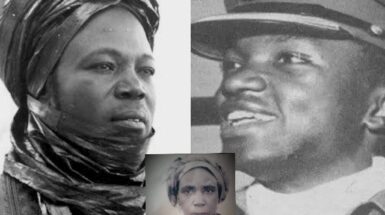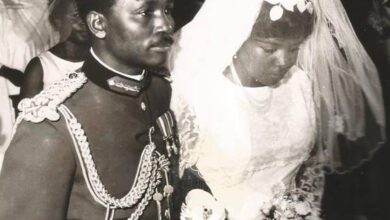


July 1966 Counter-Coup: Real Account of How it Went Down
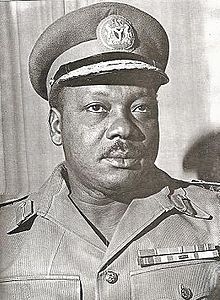
A radio crackled in the dark. Soldiers whispered in barracks across Northern Nigeria. Some men were angry. Others were terrified. By the early hours of July 29, 1966, Nigeria was once again under gunfire.
The country was barely six years old.
Just six months earlier, young army officers had overthrown Nigeria’s civilian government in the bloody January 1966 coup. Prime Minister Tafawa Balewa was dead. Premier Ahmadu Bello was dead. Senior northern officers had been hunted down and killed. Many in the North believed the army had been hijacked. The streets carried rumours faster than newspapers. Trust disappeared.
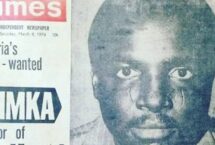
Then came the revenge.
The July 1966 Counter-Coup was not simply another military takeover. It was an explosion of anger, fear, suspicion, and ethnic tension inside the Nigerian Army. And once the shooting started, Nigeria began sliding toward something even darker — the Nigerian Civil War.
To understand why this happened, you have to go back to January 1966.
The January Coup That Shook Nigeria
On January 15, 1966, a group of young military officers led by Major Chukwuma Kaduna Nzeogwu struck against Nigeria’s First Republic. Their targets were political and military leaders accused of corruption and electoral violence.
The coup failed in some parts of the country but succeeded enough to destroy the civilian government. Prime Minister Abubakar Tafawa Balewa disappeared and was later found dead. Northern Premier Ahmadu Bello was assassinated in Kaduna. Finance Minister Festus Okotie-Eboh was also killed.
Many of the officers involved in the coup were Igbo. Most of the prominent politicians and officers killed were northern or western figures. This created a dangerous perception in the North that the coup was ethnically motivated, even though some Igbo officers also died.
Old wounds opened quickly.
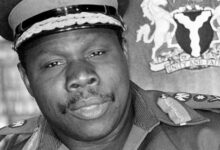
After the coup, Major General Johnson Aguiyi-Ironsi became Head of State. He suspended the constitution and promised to restore order. But many northern officers did not trust him.
That distrust would soon become deadly.
Why Northern Officers Became Furious
One issue kept coming up in conversations across northern barracks: why were the January coup plotters not severely punished?
Some of the officers who carried out the January coup were arrested, yes. But others escaped or were treated leniently in the eyes of angry northern soldiers. To many in the North, Ironsi appeared too soft on the coup plotters.
Then came another controversial move.
In May 1966, Ironsi introduced Decree No. 34, which attempted to replace Nigeria’s federal structure with a unitary system. In simple terms, it reduced regional autonomy and concentrated more power at the centre.
That decision caused panic, especially in Northern Nigeria.
Many Northerners already feared domination after the January coup. Now they believed the country was moving toward a centralised system controlled by southern elites, particularly the Igbo.
Riots broke out in parts of the North. Igbo civilians were attacked. Tension spread everywhere.
Inside the military, revenge was brewing quietly.
The Night the July 1966 Counter-Coup Began
The counter-coup began in the early hours of July 29, 1966.
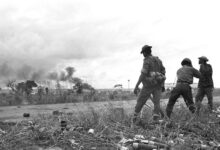
Young northern officers moved swiftly. Their targets were mainly Igbo officers within the army. Barracks in cities like Abeokuta, Kaduna, Lagos, and Ibadan suddenly became battle zones.
Gunfire echoed through military compounds.
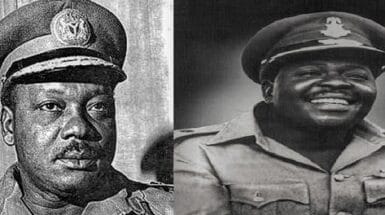
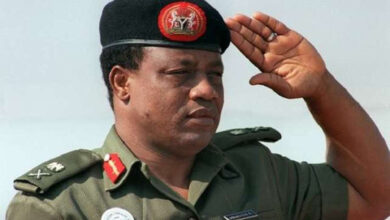
One of the main figures associated with the uprising was Lieutenant Colonel Murtala Muhammed. Other officers linked to the revolt included Theophilus Danjuma, Martin Adamu, and Muhammadu Buhari among several others who were then young military men rising through the ranks.
Their mission was brutal and direct: remove Ironsi and avenge January 1966.
Many Igbo officers were killed without warning. Some were dragged from their rooms in the middle of the night. Others never had the chance to defend themselves.
Nigeria’s army turned against itself.
The Killing of Aguiyi-Ironsi and Adekunle Fajuyi
Perhaps the most dramatic moment of the July 1966 Counter-Coup happened in Ibadan.
General Aguiyi-Ironsi had travelled there for a meeting with traditional rulers and regional leaders. He was staying at the Government House as a guest of the Military Governor of Western Region, Lieutenant Colonel Adekunle Fajuyi.
Then soldiers arrived.
The mutineers arrested Ironsi and Fajuyi during the night. Accounts differ on exactly what happened afterward, but both men were eventually killed near Ibadan.
Fajuyi’s death left a deep mark on Nigerian memory.
The Yoruba officer reportedly refused to abandon Ironsi, even when he had opportunities to save himself. Whether viewed as loyalty, honour, or personal conviction, many Nigerians still remember Fajuyi for standing beside his guest until the end.
OldNaija has previously covered this tragic episode in detail here: The death of Aguiyi Ironsi, Fajuyi and the lucky escape of Ironsi’s ADC, Andrew Nwankwo in 1966
The killings shocked the nation. Nigeria had now lost two heads of government within seven months.
And things were still falling apart.
The Confusion After the Coup
Here is where things get interesting.
After the coup succeeded, the plotters themselves were divided. Some northern officers reportedly wanted Northern Nigeria to secede completely from the federation. Others preferred to keep Nigeria united but under new leadership.
For a moment, nobody seemed fully in control.
Then a compromise emerged.
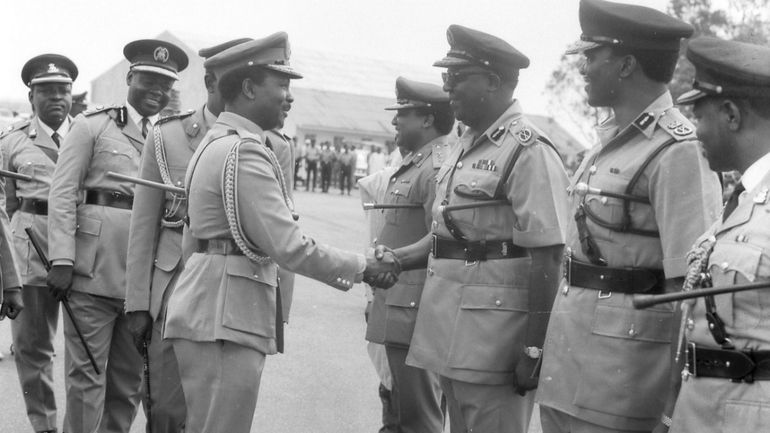
Lieutenant Colonel Yakubu Gowon, a relatively junior officer compared to some others, was chosen as Head of State. He was seen as someone acceptable to different factions within the military.
On August 1, 1966, Gowon addressed the country.
Nigeria had a new ruler again.
Ethnic Violence Spread Beyond the Barracks
The counter-coup did not remain inside military walls.
Across Northern Nigeria, violence against Igbo civilians escalated badly in the months that followed. Thousands of easterners living in northern towns were attacked. Families fled southward in crowded lorries, trains, and overloaded vehicles.
The stories were horrifying.
Markets emptied. Businesses collapsed overnight. Entire communities abandoned homes they had lived in for years.
Eastern Nigeria became flooded with frightened returnees carrying stories of killings and humiliation.
This was the moment many eastern leaders began questioning whether Nigeria could still survive as one country.
Lieutenant Colonel Chukwuemeka Odumegwu Ojukwu, the Military Governor of Eastern Region, increasingly clashed with Gowon over security, power-sharing, and trust.
The federation was cracking.
From the July 1966 Counter-Coup to Civil War
You cannot understand the Nigerian Civil War without understanding the July 1966 Counter-Coup.
The events of July destroyed whatever fragile trust remained between Nigeria’s regions.
Meetings followed. Attempts at reconciliation were made. One of the most important was the famous Aburi meeting in Ghana between Gowon, Ojukwu, and other leaders.
But by then, suspicion had gone too deep.
On May 30, 1967, Ojukwu declared the independent Republic of Biafra. Nigeria responded militarily. The civil war began weeks later.
For many historians, July 1966 was the true point of no return.
The revenge killings inside the army triggered wider ethnic violence outside it. And once ordinary civilians became targets, the crisis changed completely.
Thanks for reading, OldNaija.com.
References:
- Achebe, Chinua. (2012). There Was a Country: A Personal History of Biafra. Penguin Press.
- Omipidan, T. (2021, March 1). The death of Aguiyi Ironsi, Fajuyi and the lucky escape of Ironsi’s ADC, Andrew Nwankwo in 1966 – Old . . . OldNaija. https://oldnaija.com/2015/10/02/the-death-of-major-johnson-aguiyi-ironsi-and-the-lucky-escape-of-his-aide-de-camp-andrew-nwankwo-on-july-29-1966/
- Kirk-Greene, Anthony. (1971). Crisis and Conflict in Nigeria: A Documentary Sourcebook. Oxford University Press.
- Omipidan, T. (2021, May 25). How Ibrahim Babankowa Found Tafawa Balewa’s Decomposing Body Along Lagos-Abeokuta Road – OldNaija. OldNaija. https://oldnaija.com/2017/06/05/how-ibrahim-babankowa-found-tafawa-balewas-decomposing-body-along-lagos-abeokuta-road/
- Siollun, Max. (2009). Oil, Politics and Violence: Nigeria’s Military Coup Culture (1966–1976). Algora Publishing.
- Luckham, Robin. (1971). The Nigerian Military: A Sociological Analysis of Authority and Revolt 1960–67. Cambridge University Press.
- Adeyemi, S. (2025, December 5). Nigeria’s bloodiest military coup: All you need to know about the July 29, 1966 counter-coup. Pulse Nigeria.
Questions? Advert? Click here to email us.