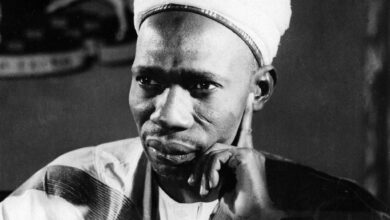


The 1975 Coup in Nigeria: How Yakubu Gowon was Removed Through a Blodless Coup
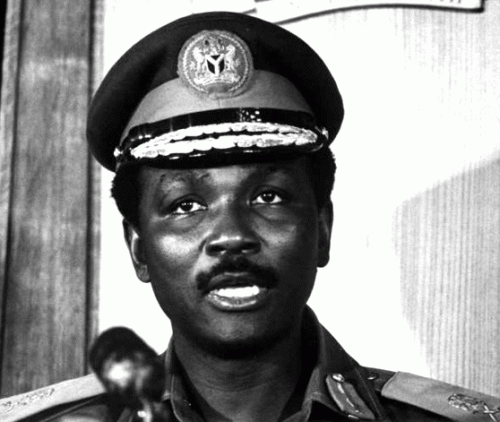
The radio announcement came quietly. No gunfire in the streets. No tanks rolling through Lagos in dramatic formation. Nigerians woke up on July 29, 1975, and discovered that the country already had a new leader.
General Yakubu Gowon was thousands of miles away in Kampala, Uganda, attending an Organisation of African Unity summit. Back home, senior military officers had removed him from power almost effortlessly. Just like that, the man who led Nigeria through the civil war was gone.
For many Nigerians, the news felt shocking. Gowon had ruled for nearly nine years. In military terms, that was an eternity. Yet beneath the calm surface, frustration had been building inside the army and across the country.
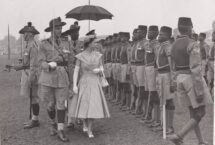
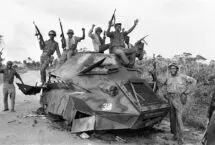
Corruption accusations were growing louder. Promises of a return to civilian rule kept shifting further away. The energy of post-war reconstruction had started fading into disappointment.
And so began The 1975 Coup — one of the most important turning points in Nigeria’s military history.
Nigeria After the Civil War: Victory Without Peace
To understand why the coup happened, you have to go back to the years after the Nigerian Civil War.
When the war ended in January 1970, General Gowon stood tall as the leader who kept Nigeria together. The country had survived its bloodiest conflict. Millions were dead or displaced, and the scars ran deep. Yet Gowon’s famous “No Victor, No Vanquished” speech gave many Nigerians hope that healing could begin.
The early post-war years looked promising. Oil money flowed into government coffers at unprecedented levels. Roads were built. Federal projects expanded. Lagos buzzed with optimism. Nigeria suddenly had money — serious money.
But wealth can create problems as quickly as it creates opportunities.
Government spending exploded. Contracts appeared everywhere. So did allegations of bribery, waste, and favouritism. Military governors became powerful men controlling huge state resources. The federal government grew richer, but ordinary Nigerians increasingly complained that life was not improving fast enough.
Inside the army, many officers believed the government had become complacent.
Then came Gowon’s biggest political mistake.
The Promise Gowon Could Not Keep
In 1970, Gowon hinted that military rule would not last forever. Nigerians expected a transition back to civilian government within a reasonable time.
But in October 1974, Gowon announced that civilian rule would no longer return in 1976 as many had expected. According to him, Nigerian politicians were still not mature enough to govern the country responsibly.
That statement changed everything.
Students protested. Newspapers criticised the government. Civil servants grumbled openly. Even within the military, many officers saw the announcement as proof that Gowon intended to remain in power indefinitely.
For younger officers especially, this felt like betrayal.
The army had originally justified military intervention in politics after the chaos that followed the First Republic and the January 1966 coup.
But nearly a decade later, many Nigerians were asking uncomfortable questions. Was the military still rescuing the country? Or had it simply become another ruling class?
This is where things get interesting.
The men who planned the 1975 Coup were not outsiders trying to seize power recklessly. Most were senior officers already close to the centre of government. They believed they were saving both the army and Nigeria itself.
The Men Behind The 1975 Coup
Several military officers played major roles in planning the overthrow of Gowon.
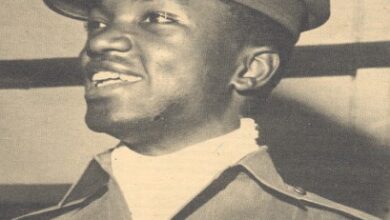
The central figure who emerged afterward was Brigadier Murtala Ramat Muhammed. Fierce, blunt, energetic, and deeply respected within sections of the military, Murtala already had a reputation from the civil war years. He was not afraid of confrontation, and many younger officers admired his decisiveness.
Other key officers included:
- Brigadier Olusegun Obasanjo
- Lieutenant Colonel Shehu Musa Yar’Adua
- Brigadier Joseph Garba
- Lieutenant General Theophilus Danjuma
Interestingly, many of these men had also been important figures during earlier military crises, especially after the July 1966 counter-coup.
Joseph Garba eventually made the famous radio announcement informing Nigerians that Gowon had been removed.
Notably, the coup leaders avoided bloodshed. Gowon was not assassinated. There was no large-scale fighting. Compared to the violent coups of 1966, the 1975 takeover looked almost surgical.
How The 1975 Coup Happened
On July 29, 1975, Gowon was attending the OAU summit in Uganda.
That timing was no accident.
The plotters knew removing him while he was abroad reduced the risk of resistance. Key military installations in Lagos were secured quickly. Communications centres fell under the control of coup leaders. Senior commanders loyal to the operation coordinated movements carefully.
Then came the broadcast.
Brigadier Joseph Garba went on radio and announced that the armed forces had decided to change the leadership of the country. He accused Gowon’s government of failing to move Nigeria forward and allowing uncertainty to grow.
Many Nigerians listened in stunned silence.
Others celebrated immediately.
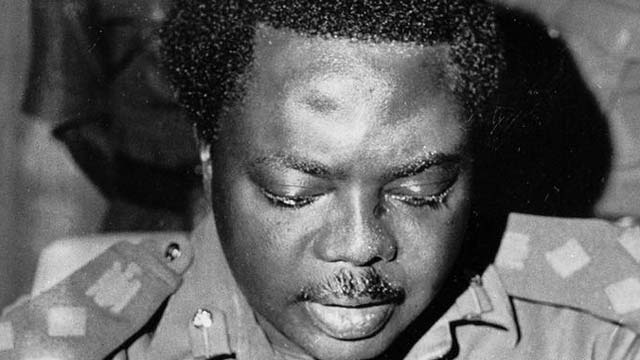
After years of political stagnation, Murtala Muhammed suddenly represented action, discipline, and movement. He was only 37 years old when he became Head of State. Compared to Gowon’s cautious style, Murtala projected urgency.
And Nigerians loved it.
Why Nigerians Welcomed the Coup
This part surprises many people today.
Large sections of the public actually welcomed The 1975 Coup.
Why?
Because frustration with Gowon had spread far beyond the barracks.
The oil boom years created expectations that the government could rapidly transform Nigeria. Instead, many people saw delays, bureaucracy, corruption, and indecision. Contracts disappeared into private pockets. Public confidence weakened.
Murtala Muhammed entered office like a storm.
He retired hundreds of public officials and military officers almost immediately. Some called it excessive. Others called it necessary cleansing. Suddenly, civil servants feared arriving late to work. Government offices became more active overnight.
Murtala also announced plans to return Nigeria to civilian rule. Unlike Gowon’s vague promises, many Nigerians believed him.
His government created new states, reorganised the federal structure, and pushed ambitious reforms.
There was also something emotional about Murtala’s image. He spoke sharply. He moved fast. He appeared fearless.
For a country tired of waiting, that mattered.
The International Dimension of The 1975 Coup
The coup did not happen in isolation.
Nigeria in the 1970s had become one of Africa’s most influential countries. Oil wealth gave Lagos growing international importance. Nigeria played active roles in African liberation struggles and diplomacy.
Foreign governments watched the coup carefully.
But because the takeover happened smoothly and without widespread violence, international panic remained limited. Nigeria’s institutions continued functioning. Oil exports continued flowing. The new regime quickly consolidated power.
Murtala Muhammed soon expanded Nigeria’s assertive foreign policy, especially regarding southern African liberation movements.
This tougher international posture helped build his popularity even further.
Murtala Muhammed’s Brief but Explosive Rule
Here is the tragedy.
The man who benefited most from the 1975 Coup ruled Nigeria for barely six months.
On February 13, 1976, Murtala Muhammed was assassinated during a failed coup attempt led by Lieutenant Colonel Buka Suka Dimka in Lagos.
His black Mercedes-Benz was ambushed in traffic near Ikoyi.
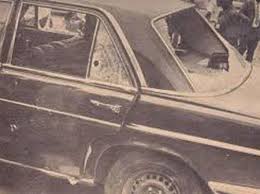
The killing shocked the nation.
After Murtala’s death, Olusegun Obasanjo became Head of State and continued the transition programme toward civilian rule. Eventually, in 1979, Nigeria returned to democratic government under President Shehu Shagari.
Ironically, the promise Gowon failed to fulfill became one of the defining achievements of the men who removed him.
References:
- Dudley, Billy J. (1982). An Introduction to Nigerian Government and Politics. Macmillan Press.
- Falola, Toyin, and Heaton, Matthew M. (2008). A History of Nigeria. Cambridge University Press.
- Luckham, Robin. (1971). The Nigerian Military: A Sociological Analysis of Authority and Revolt 1960–67. Cambridge University Press.
- Omipidan, T. (2021, April 5). The assassination of General Murtala Muhammed on February 13 1976 – OldNaija. OldNaija. https://oldnaija.com/2015/07/13/the-assassination-of-general-murtala-ramat-muhammed-on-february-13-1976/
- Siollun, Max. (2009). Oil, Politics and Violence: Nigeria’s Military Coup Culture (1966–1976). Algora Publishing.
- Military rebellion of July 29. (n.d.). https://www.segundawodu.com/omoigui45.htm
Questions? Advert? Click here to email us.