

5 Nigerian Business Tycoons Who Built Massive Wealth During the Indigenisation Era
When the Indigenisation Decree of 1972 was signed by General Yakubu Gowon, it didn’t just change the law; it changed the face of Nigerian wealth.
Before this time, the commanding heights of the economy, the big factories, banks, and shipping lines, were almost entirely in the hands of Europeans.
The decree forced these foreign companies to sell a large portion of their shares to Nigerians. This created a golden opportunity for a new group of determined businessmen.
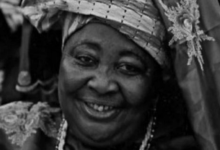
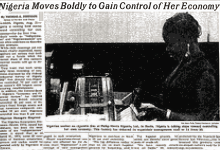
Here are five icons who moved from being traders or employees to becoming the owners of the “New Nigeria.”
1. Chief Adeyemi Lawson
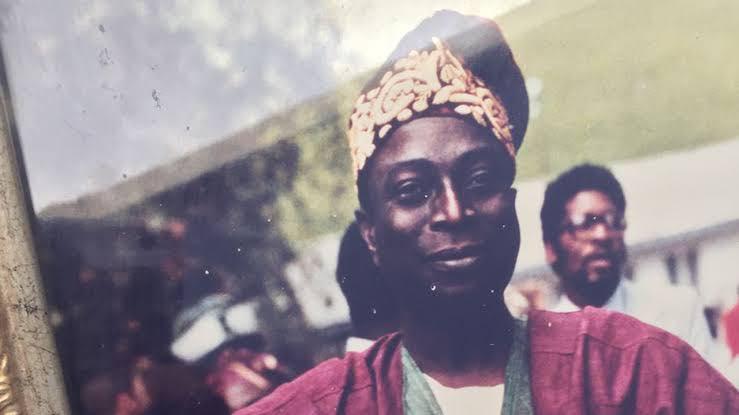
Chief Adeyemi Lawson was a lawyer by training, but his real passion was business. During the indigenisation period, he was one of the few Nigerians who had the foresight and capital to take over major interests in the manufacturing sector.
He is most famous for his leadership of Grainger and Lawson and his heavy involvement in the development of Agbara Estate, one of the first private industrial and residential estates in the country.
He showed that Nigerians could not only run companies but also plan entire cities.
2. Chief Michael Ibru
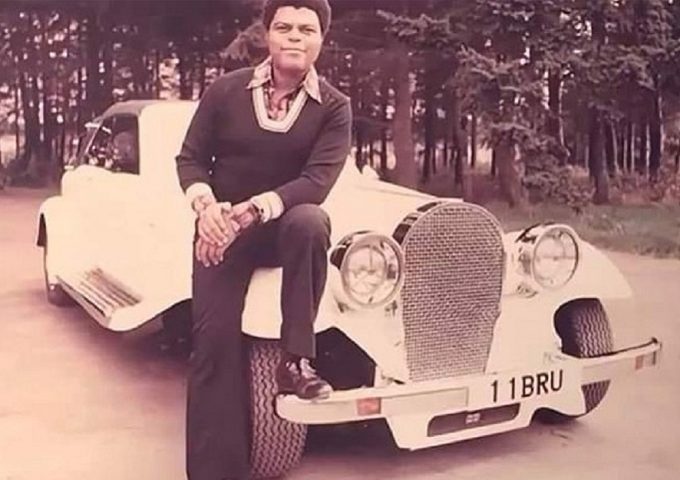
Michael Ibru is a legendary name in the history of Nigerian commerce. He is famously known as the man who introduced “frozen fish” to the Nigerian diet. Before him, many Nigerians believed that only fresh fish was healthy to eat.
By using the opportunities provided by the changing economic laws of the 1970s, Ibru built a massive conglomerate known as the Ibru Organisation.
His empire eventually grew to include shipping, aviation, banking, and vast fruit orchards. He remains a symbol of how one person can change the eating habits and the economy of a whole nation.
3. Chief M.K.O. Abiola:
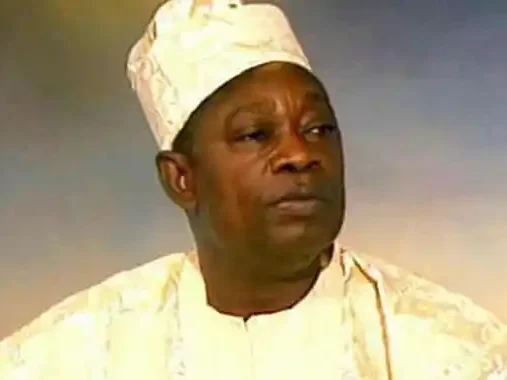
Before he became a hero of Nigerian democracy, Moshood Kashimawo Olawale Abiola was a titan of business. In the late 1960s and early 1970s, he worked for the International Telephone and Telegraph (ITT) corporation.
Using his accounting skills and the favourable laws of the time, he rose through the ranks to become the Chairman of ITT Nigeria. Abiola didn’t stop there; he used the wealth generated in this era to start the Concord Press, a massive shipping line, and even a professional football club.
His rise during this decade laid the foundation for his massive popularity in the years leading up to the June 12, 1993 election.
4. Chief Sanusi Dantata
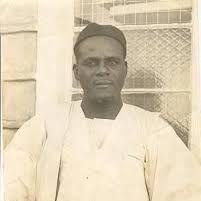
While many of the tycoons were based in Lagos, Sanusi Dantata was a giant in Kano. As a member of the famous Dantata family, he was already successful in the groundnut trade.
However, when the 1972 indigenous decree opened up the banking and construction sectors, he was one of the primary investors who ensured that Northern Nigerians had a stake in the modern economy.
He was a major shareholder in several newly indigenized firms and served as a mentor to younger businessmen, including a young Aliko Dangote, who is his grand-nephew.
5. Chief Henry Fajemirokun
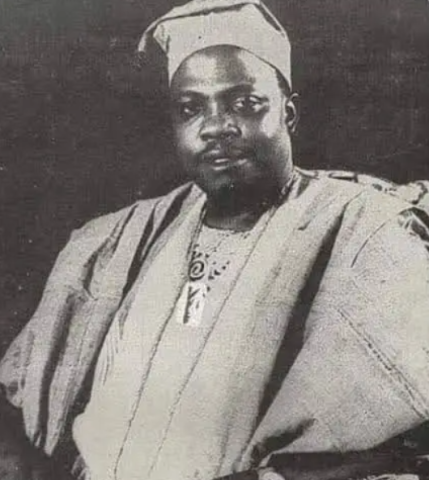
Henry Fajemirokun was a pioneer in the true sense of the word. After serving in the military during World War II, he went into trade.
By the time the 1972 indigenisation decree arrived, he was perfectly positioned. He founded Henry Stephens & Sons, a company that became a massive conglomerate.
He was a leader in the Nigerian Chamber of Commerce and was instrumental in ensuring that the government provided loans to Nigerians so they could afford to buy the shares being sold by foreign companies.
The 1970s were a time of “Oil Boom” and “National Pride”. The men mentioned above were not just making money; they were proving that the 1914 Amalgamation and the 1960 Independence were not just political events, but the start of economic freedom.
They took the “Three Rs” (Reconstruction, Rehabilitation, and Rebuilding) and applied them to the private sector.
However, the era was not perfect. While it created millionaires, it also led to some companies being poorly managed because the new owners didn’t always have the technical experience. Despite this, the foundations of the Nigerian Stock Exchange and Nigeria’s modern banking system were built on the backs of these 1970s pioneers.
Thanks for reading, OldNaija.com.
References:
- Gowon, Y. (1970). The dawn of national reconciliation: Text of the victory message to the nation. Federal Ministry of Information.
- Omipidan, T. (2024, August 23). Michael Ibru – The man who introduced frozen fish to Nigeria and became rich – OldNaija. OldNaija. https://oldnaija.com/2024/08/23/michael-ibru-the-man-who-introduced-frozen-fish-to-nigeria-and-became-rich/
- Nnoli, O. (2008). Ethnic politics in Nigeria. Fourth Dimension Publishing.
- Omipidan, T. (2021, February 24). Real Account of the June 12 1993 Presidential Election and why it was Annulled – OldNaija. OldNaija. https://oldnaija.com/2016/12/21/june-12-1993-presidential-elections/
Questions? Advert? Click here to email us.