


48 Teams Set for 2026 World Cup: Full Groups and What to Watch For
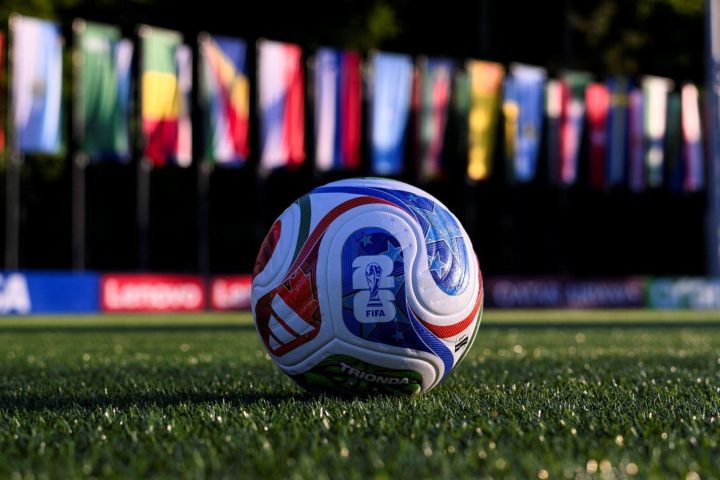
Iraq clinched the final spot with a 2-1 win over Bolivia. Here’s every group for the 2026 World Cup in the USA, Canada, and Mexico, plus the most intriguing storylines ahead of kickoff on June 11.
2026 World Cup Groups Confirmed: All 48 Teams and Key Matchups to Follow
The wait is over. For fans tracking livescore and results around the world, this was the moment qualification was finally locked into place. Iraq beat Bolivia 2-1 in the intercontinental playoff final and became the 48th team heading to the 2026 World Cup. That match wrapped up qualification, and now we know exactly who plays whom in the group stage. The tournament runs from June 11 to July 19, 2026, across three host countries: the United States, Canada, and Mexico. It’s the first World Cup with 48 teams, so more nations get their shot at the big stage.
How the Groups Shaped Up
After the final draw and the last playoff results, the 12 groups look like this:



- Group A: Mexico, South Africa, South Korea, Czech Republic
- Group B: Canada, Bosnia and Herzegovina, Qatar, Switzerland
- Group C: Brazil, Morocco, Haiti, Scotland
- Group D: USA, Paraguay, Australia, Turkey
- Group E: Germany, Curacao, Ivory Coast, Ecuador
- Group F: Netherlands, Japan, Sweden, Tunisia
- Group G: Belgium, Egypt, Iran, New Zealand
- Group H: Spain, Cape Verde, Saudi Arabia, Uruguay
- Group I: France, Senegal, Iraq, Norway
- Group J: Argentina, Algeria, Austria, Jordan
- Group K: Portugal, DR Congo, Uzbekistan, Colombia
- Group L: England, Croatia, Ghana, Panama
You’ll notice the three hosts got friendly placements. Mexico opens in Group A, Canada in B, and the USA in D. That setup gives them a decent chance to advance from the group stage.
Standout Groups and Why They Matter
Some groups look pretty balanced. Others could deliver fireworks right from the start. Look at Group I with France, Senegal, Iraq, and Norway. France comes in as one of the favourites, but Senegal always brings pace and fight. Iraq returns after a long absence, and Norway have Erling Haaland leading the line. This one could get messy in a good way. Fans will watch how the debutants and returning sides handle the pressure. Group C pairs Brazil with Morocco, Haiti, and Scotland. Brazil still carry that aura, but Morocco showed at the last World Cup that they can punch above their weight. Scotland and Haiti add their own stories; one chasing a long-awaited run, the other making noise from CONCACAF. Over in Group D, the USA face Paraguay, Australia, and Turkey. Home advantage should help the Americans, yet Turkey and Paraguay know how to make life difficult. Australia bring their typical grit too.
Group H has Spain, Cape Verde, Saudi Arabia, and Uruguay. Cape Verde makes their first appearance, which is a huge moment for them. Uruguay bring experience and that never-say-die attitude. Spain will be expected to control things, but nothing is guaranteed. Then there’s Group J: Argentina, Algeria, Austria, Jordan. The defending champions sit here. Argentina will want to defend their title, but Algeria have quality, and Jordan plus Austria could spring surprises.
Fresh Faces and Returning Sides
A few teams are making their World Cup debut: Cape Verde, Curacao, Jordan, and Uzbekistan. That’s special. Small nations getting to this level reminds you why the expansion to 48 teams matters, it opens doors. Iraq’s qualification feels extra sweet. They hadn’t been at a World Cup since 1986. Beating Bolivia in that decisive playoff gave their fans a reason to celebrate big time. Aymen Hussein scored the winner, and the whole squad showed real character after dealing with travel issues. On the other side, powerhouses like Germany, the Netherlands, England, and Portugal sit in groups that look tough but winnable on paper. The real test comes when they face teams that have nothing to lose.
What Makes This Tournament Different
With 48 teams, the group stage expands. More matches, more chances for upsets. The hosts spread the games across a huge area, so travel and pitch conditions could play a part, especially later on. You’ll see classic rivalries mixed with new clashes. Think Japan against the Netherlands, or England taking on Croatia again. At the same time, fans get to discover players from DR Congo, Haiti, or New Zealand who might shine on the biggest stage. The expanded format means the top two from each group advance, plus the eight best third-placed teams. That gives a bit more breathing room but still keeps things competitive.
Matches You Shouldn’t Miss Early On
Keep an eye on the opening games for the hosts. When the World Cup 2026 kicks off, Mexico, Canada, and the USA will have massive support at home. Those atmospheres alone will be worth watching. Also watch for debutant stories. How does Curacao fare against Germany? Can Cape Verde cause problems for Spain or Uruguay? And Iraq, can they pick up points against France or Senegal?
The group stage runs for a few weeks, so plenty of time to follow the surprises. Some big names might stumble early, while others build momentum. Football at this level always throws up drama. Injuries, red cards, last-minute goals, it all happens. And with three host nations, the crowds should be loud and passionate.
The 2026 World Cup is nearly here. Groups are locked, tickets are moving, and fans everywhere are picking their favourites. Whether you follow one of the giants or cheer for an underdog making history, there’s something for everyone. Now it’s just about waiting for that first whistle on June 11.
Questions? Advert? Click here to email us.