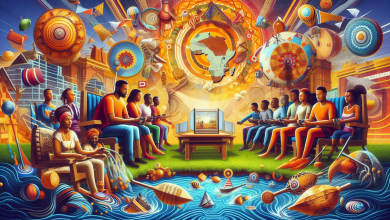


From Gaming Rooms to Global Arenas: The Rise of Cybersports
How Esports Turned Into a Worldwide Phenomenon

The journey from casual play to professional leagues
For many gamers across Africa, what begins as a simple pastime — a few hours spent playing FIFA after school, or intense late-night PUBG Mobile sessions with friends — can grow into something far more significant: a path to the professional esports arena.
In a region where digital access is growing and youth culture is deeply connected to technology, gaming has become more than just entertainment. It’s becoming a career path, a creative outlet, and a gateway to global recognition.
Step 1: Casual Gaming — Where Passion Begins
Every esports champion starts somewhere, and for many in Africa, it starts in living rooms, internet cafés, or on mobile phones. With widespread access to smartphones and growing mobile internet infrastructure, more young people than ever are entering the gaming world casually.




- Mobile-first gaming: Games like Free Fire, PUBG Mobile, and Call of Duty Mobile are massively popular due to accessibility.
- Community-driven: Casual play often involves friends, local tournaments, and social media groups — creating a sense of belonging and competition.
Step 2: Skill Development and Competitive Fire
Soon, the game stops being “just for fun.” Players start focusing on strategy, mechanics, and improving their gameplay. They start watching YouTube tutorials, following top African gamers and streamers, and testing their skills in community tournaments or local esports hubs.
- Online platforms like Discord, Facebook Gaming, and Twitch allow players to learn, compete, and grow.
- Emerging role models in countries like South Africa, Kenya, Ghana, and Nigeria show what’s possible with dedication.
This is the stage where casual players become competitors — learning discipline, teamwork, and the mental toughness it takes to play at a higher level.
Step 3: Entering Amateur Tournaments
Local events, both online and offline, serve as launchpads for aspiring pros. Whether it’s a city-wide FIFA tournament in Lagos or a sponsored Free Fire competition in Nairobi, these platforms allow players to prove themselves, get noticed, and earn rewards.
- Prizes may be modest at first, but the recognition is invaluable.
- Networking with organizers, streamers, and other players becomes crucial at this stage.
Step 4: Building a Personal Brand
In today’s esports world, being good at the game isn’t enough. Players also need to build their online presence — through streaming, social media, and content creation.
- African streamers and influencers are gaining followers by sharing gameplay, tips, and even their struggles.
- Sponsorships and team invites often come to those who can attract and maintain a loyal fanbase.
This is where the player begins to shift from unknown talent to public figure — someone fans look up to, and sponsors want to support.
Step 5: The Professional Stage
For those who persist, the doors to regional and even global leagues begin to open. African teams are increasingly joining global competitions in games like Dota 2, Valorant, FIFA, and CS:GO, and mobile esports is exploding across the continent.
- Teams and organizations are scouting Africa’s top talent like never before.
- Tournaments such as the Africa Esports Championship and participation in global leagues put African players on the map.
At this stage, gaming becomes more than a passion — it’s a profession. Players have managers, coaches, schedules, and sponsorship deals. But the love for the game remains the same.
A Bright Future for African Esports
The journey from casual gamer to professional esports athlete is not an easy one. It requires time, skill, consistency, and support. But in Africa, the momentum is real. With the continent’s young population, growing tech adoption, and hunger for competition, the next wave of global esports stars could very well come from the streets of Accra, the townships of Cape Town, or the gaming cafés of Nairobi.
Why millions tune in to watch gamers compete
What was once seen as a hobby tucked away in bedrooms or internet cafés has now exploded into a global spectacle: competitive gaming — or esports. Today, millions of people around the world, including a fast-growing audience in Africa, regularly tune in to watch gamers compete. But what makes it so compelling?
Let’s break down the key reasons:
1. The Excitement of Live Competition
Just like football, basketball, or boxing, esports is filled with high-stakes drama, skillful plays, and unpredictable outcomes. Viewers feel the same rush of adrenaline watching their favorite teams or players battle it out in real-time.
- Comebacks, clutch moments, last-minute wins — these are the ingredients of any great sporting event, and esports delivers them too.
- Games like League of Legends, Valorant, Dota 2, and even FIFA or Free Fire offer intense matchups that keep fans on the edge of their seats.
2. Star Power and Personality
Gamers aren’t just players — they’re personalities. Top esports pros and streamers have massive followings, and fans tune in to watch not just for the gameplay, but for the people behind the screen.
- Viewers admire their skill, but also their confidence, trash talk, strategy, or sense of humor.
- Some pro players from Africa are already building huge fanbases across Twitch, YouTube, and TikTok.
3. Community and Belonging
Esports brings people together. Whether it’s cheering for a local team or discussing plays in real-time with others online, fans feel part of a global and local community.
- Live chats, fan forums, and watch parties make watching esports a social experience.
- In Africa, many fans gather in cafes, lounges, or even local arenas to watch major tournaments together.
4. Accessibility and Free Entertainment
Unlike traditional sports, watching esports is often free and instantly available on platforms like YouTube, Twitch, and Facebook Gaming.
- You don’t need cable, you don’t need tickets — just an internet connection.
- Many fans also watch from mobile devices, making it more accessible across Africa and other emerging regions.
5. Aspirational Value: “That Could Be Me”
One of the most powerful reasons people watch esports is because they see themselves in the players. Unlike traditional sports where the path to the top can be limited by physical or financial barriers, esports offers a relatively open playing field.
- A kid with a smartphone and talent can rise from casual play to competitive stages.
- Viewers watch to learn strategies, improve their own game, and imagine their own journey to the top.
6. Spectacle and Production Value
Major esports tournaments are entertainment spectacles — complete with commentary, special effects, massive prize pools, and international coverage.
- Events like The International (Dota 2) or the League of Legends World Championship pull in tens of millions of viewers — rivaling even the Super Bowl in some cases.
- The production quality, the hype, the music, the visuals — it’s all designed to pull you in and keep you watching.
7. Cultural Momentum: Gaming Is the New Mainstream
Gaming is no longer a niche. It’s a major part of global youth culture — and it’s growing fast in Africa too. From music to fashion to tech, gaming is influencing how people connect, express themselves, and stay entertained.
- Esports isn’t just about games. It’s about identity, lifestyle, and being part of something global.
The Culture Behind Cybersports

Communities that grow around favorite teams and players
In today’s world — shaped by high-speed living, rising stress levels, and increasing digital isolation — people are often left feeling disconnected. But even in the midst of this rapid change, sports communities offer something truly meaningful: a space for physical activity, emotional connection, and social belonging.
For many across Africa, joining a sports group — whether in a local football league, fitness bootcamp, cycling club, or online esports team — provides more than just movement. It’s a source of strength, motivation, and happiness in everyday life.
What Sports Communities Offer African Players
Support and Motivation
One of the biggest advantages of joining a sports community is the emotional support it provides. Training with others creates a sense of accountability and encouragement. Whether you’re running laps or learning a new strategy in an online game, being surrounded by teammates helps you stay motivated — even on tough days.
- You’re less likely to give up when others are cheering you on.
- Group training builds consistency, which leads to progress.
- For beginners, the encouragement from others can be the push they need to keep going.
A Sense of Belonging
Being part of a team or club builds a powerful sense of identity and connection. You’re no longer just an individual chasing personal goals — you become part of something bigger.
- That feeling of “we’re in this together” motivates people to keep showing up.
- Over time, this emotional connection makes the sport feel like home — not just a hobby.
This is especially important in African societies where community, brotherhood, and shared experience are core cultural values.
Stronger Social and Life Skills
Regular interaction within a sports community teaches more than physical techniques — it strengthens essential social skills.
- Communication: Learning how to express ideas, give feedback, and listen to others.
- Teamwork: Understanding your role, respecting others’ strengths, and moving toward a common goal.
- Leadership: Stepping up to guide others or support those who need help.
These skills are transferable beyond the field or screen — improving how people work, connect, and succeed in everyday life.
Better Mental Health and Well-Being
Social isolation, especially in urban and tech-driven environments, can lead to anxiety, depression, and loneliness. But being part of a sports community helps ease these pressures.
- Training and competing with others reduces stress levels and boosts mood.
- The combination of physical activity and emotional connection promotes overall mental well-being.
- Studies show that active involvement in team sports is linked to lower rates of anxiety and depression.
Even casual participation — like joining a weekend football match or a weekly virtual tournament — can provide a much-needed emotional boost.
Different Sports, Shared Purpose
Whether it’s the energy of football, the discipline of martial arts, the strategy of esports, or the challenge of long-distance running — different sports attract people with different goals. But all of them offer the same core benefit: a chance to connect.
Across Africa, sports communities are forming around:
- Football – The continent’s most beloved game and a powerful unifier.
- Basketball & Rugby – Popular in schools, colleges, and growing leagues.
- Fitness Groups – From outdoor bootcamps to urban gyms.
- Esports Teams – Digital communities of gamers competing in titles like Free Fire, FIFA, PUBG, and more.
- Cycling & Running Clubs – Offering both individual challenge and group support.
Streaming platforms as the new stadiums
Modern sports are more than just games — they’re emotional spectacles that unite millions across the globe. For fans in Africa and beyond, supporting a favorite team or athlete is part of identity, pride, and community. But for many, getting to a stadium simply isn’t an option.
Whether it’s due to distance, cost, or time, traditional stadium experiences are out of reach for a large portion of fans. That’s where technology is stepping in to transform the game — literally.
From the Stands to the Stream: A New Kind of Sports Experience
Today’s fans aren’t just watching on TV anymore — they’re tuning into streaming platforms, virtual stadiums, and even the metaverse. These digital arenas offer something powerful: access and immersion. No matter where you are — Lagos, Nairobi, or Accra — you can feel part of the action.
- Platforms like YouTube, Twitch, and Facebook Gaming are becoming the new home for sports and esports content.
- Fans can watch live matches, follow their favorite teams, and interact with others in real-time — all from their phones or laptops.
The Rise of Virtual Reality and the Metaverse
In recent years, technologies like Virtual Reality (VR) and Augmented Reality (AR) have opened the door to even more immersive sports experiences. VR stadiums and metaverse platforms are giving fans a front-row seat without ever leaving home.
- You can “sit” in a digital stadium, surrounded by fans from around the world.
- Some platforms allow you to experience the game from a player’s point of view, seeing the match unfold as if you were on the pitch.
- Others offer interactive features: chat with fellow supporters, cheer in real-time, buy virtual merchandise, or access behind-the-scenes content.
In Africa, where mobile tech adoption is high and gaming culture is rapidly growing, these innovations are changing the way people engage with sports and esports.
Why Fans Are Making the Switch
Accessibility
Not everyone can afford a ticket or travel to see their team. Streaming platforms and VR experiences bring the game to anyone with a phone and an internet connection.
Community, Without Borders
Online spaces allow African fans to connect with supporters across continents. Whether it’s celebrating a last-minute goal or analyzing a key play, fans can share the moment instantly with thousands of others.
Enhanced Entertainment
Unlike physical stadiums, digital platforms offer extra layers of engagement — live stats, commentary, replays, polls, and interactive features that deepen the experience.
Personalized Experiences
In the metaverse or on streaming platforms, fans can choose how they watch — full commentary, silent mode, fan cams, or behind-the-scenes access. It’s not just watching a match — it’s curating your own matchday experience.
The Future of Fandom in Africa
As VR, AR, and metaverse platforms become more accessible in Africa, they’re leveling the playing field for fans. Now, whether you’re in a rural village or a bustling city, you can be part of global sports culture — not just as a viewer, but as an active participant.
This shift is already impacting sports marketing, fan behavior, and even how tournaments are organized. From digital collectibles to virtual VIP lounges, fans are no longer limited by geography. They are becoming a vital part of a borderless, tech-driven sports revolution.
South Africa’s Place in the Esports World
Local tournaments bringing gamers together
In cities, towns, and even remote villages across Africa, a quiet revolution is happening — local gaming tournaments are turning casual players into competitors, strangers into teammates, and games into powerful tools for connection.
What once started as friendly matches in internet cafés or living rooms is now evolving into organized events that bring people together, celebrate talent, and shape the future of esports on the continent.
Gaming as a Social Connector
Local tournaments offer more than just prizes — they build communities.
- Whether it’s a FIFA showdown in Lagos, a Free Fire clash in Nairobi, or a Tekken battle in Accra, these events create real moments of belonging.
- Players from different backgrounds, languages, and skill levels come together around one shared passion: the game.
In places where access to global esports events might be limited, local competitions fill that gap — creating spaces where young Africans can express themselves, compete, and be recognized.
Platforms for Talent and Recognition
Many of Africa’s best players got their start in small, local competitions.
- These tournaments give up-and-coming gamers the chance to showcase their skills in front of local crowds and online audiences.
- Organizers, brands, and even international scouts are paying closer attention to these grassroots events, knowing they’re the breeding ground for future pros.
For many, it’s not just about winning — it’s about being seen, heard, and respected in a growing community.
Offline Meets Online
While much of Africa’s gaming growth is happening online, local tournaments are bridging the digital and physical worlds.
- LAN parties, in-person finals, and hybrid tournaments bring gamers face-to-face, helping turn online usernames into real-life friendships.
- These events often blend music, fashion, tech, and gaming — turning competitions into full cultural experiences.
Opportunities for Local Innovation
Local tournaments also create opportunities beyond gaming:
- Young Africans are stepping up as organizers, shoutcasters, streamers, content creators, and designers.
- These roles open up new career paths in the gaming industry, proving that you don’t have to be a pro player to be part of the scene.
Not Just Games — A Movement
Local tournaments are proving that gaming is more than entertainment — it’s a movement powered by youth, creativity, and connection.
As mobile gaming continues to thrive and internet access expands, more players will join the scene — and local tournaments will play a central role in shaping Africa’s esports future.
Rising talent looking for global recognition
Across Africa, a new generation of gamers is on the rise — skilled, passionate, and ready to compete on the world stage. From neighborhood internet cafés to mobile tournaments streamed on Twitch, the continent is buzzing with talent that’s no longer content to remain in the shadows.
These rising stars aren’t just looking for local wins — they’re aiming for global recognition, and the world is starting to take notice.
The Grind Starts at Home
For many African gamers, the journey begins with limited resources but unlimited determination.
- Playing on secondhand consoles or low-end smartphones.
- Competing in local tournaments with small cash prizes or mobile data rewards.
- Training late into the night, watching YouTube tutorials, learning tactics from global pros.
What they lack in infrastructure, they make up for in raw skill, heart, and hustle.
The World Is Watching
International esports organizations, sponsors, and platforms are finally waking up to Africa’s potential.
- Scouting efforts are expanding to places like Kenya, Nigeria, Egypt, Ghana, and South Africa.
- Players are starting to appear on global leaderboards, and African teams are entering more international qualifiers.
- Streaming platforms and social media allow young players to build global audiences, even without big-name sponsors.
Now, a player from Lusaka, Dakar, or Addis Ababa can capture the attention of fans in Berlin, Seoul, or Los Angeles — all from a mobile device.
More Than Just Fast Reflexes
Africa’s rising talent isn’t just about mechanics — it’s about creativity, resilience, and perspective.
- Players bring unique playstyles and cultural influence to global games like FIFA, Call of Duty Mobile, Valorant, and Free Fire.
- Many are also content creators, streamers, and storytellers — blending gaming with fashion, music, and African identity.
They’re not copying the global scene — they’re rewriting it.
The Barriers Are Real — But So Is the Momentum
Yes, challenges remain: limited infrastructure, inconsistent internet, and lack of institutional support. But that’s not stopping the momentum.
- Community-driven initiatives, youth-led esports orgs, and grassroots tournaments are filling the gaps.
- Tech hubs, telecom partners, and even schools are starting to see the value of investing in gaming.
- And most importantly — the players are pushing forward with or without permission.
Chasing Recognition, Claiming Respect
What African players want isn’t charity or handouts — they want a fair shot. A chance to show what they can do, earn their spot, and be seen as equals in a global arena.
They’re not just chasing recognition; they’re claiming respect — by grinding harder, adapting faster, and showing up with unmatched passion.
When Competition Meets Betting
The appeal of predicting outcomes in cybersports
In both traditional sports and the fast-evolving world of esports, data analytics has become a game-changer. Today’s teams and players are no longer relying solely on instinct or experience — they’re turning to advanced performance metrics, expert forecasts, and predictive models to gain a competitive edge.
By analyzing individual player capabilities, tracking patterns, and using sophisticated data tools, coaches and managers can make smarter, evidence-based decisions. From refining strategies to improving training plans, analytics helps teams unlock higher levels of performance.
Turning Numbers Into Wins
Whether it’s a footballer’s sprint speed or a pro gamer’s reaction time, every detail can be measured, tracked, and optimized. Data reveals what’s working, what’s not, and where potential lies.
- Performance forecasting allows teams to predict how players will perform under pressure or in specific matchups.
- Skill profiling helps identify strengths and weaknesses at an individual level, enabling personalized coaching.
- Real-time analytics in matches provides live insights that can shift tactics instantly.
In esports, where milliseconds matter, these insights can mean the difference between victory and defeat.
Technology Meets Talent
The integration of AI, machine learning, and real-time data collection tools is transforming how sports and esports organizations understand performance.
- Training is no longer just physical or technical — it’s also data-informed.
- Teams can simulate scenarios, evaluate risks, and test strategies before the game even begins.
These tools don’t replace human intuition — they enhance it, giving professionals the clarity needed to make critical decisions faster and with greater confidence.
The Future Is Analytical
As technology continues to advance, data will only become more influential in shaping the future of sports.
- Young athletes and gamers entering the scene will grow up in systems where analytics is embedded in every stage of development.
- Organizations that embrace data will have a clear advantage in talent scouting, injury prevention, and game planning.
Why responsible play is more important than ever
In today’s fast-paced digital world, online casinos and betting platforms like WinWin have become a favorite source of entertainment for millions. They offer players the thrill of taking chances and the possibility of winning big — all from the comfort of home.
But as with any form of gambling, it’s essential to approach the experience with awareness, balance, and responsibility. At WinWin, we believe that real enjoyment comes from playing smart and knowing your limits.
What Is Responsible Gambling?
Responsible gambling means engaging in betting and casino games consciously, safely, and within your personal limits. It’s about understanding the risks, making informed decisions, and ensuring that gaming remains a fun and positive activity — not something that controls you.
When practiced properly, responsible play helps protect your finances, mental health, and overall well-being, while preventing the risks of problem gambling.
Key Principles of Responsible Gambling at WinWin
1. Know the Risks — Luck Isn’t a Strategy
Gambling is never a guaranteed way to make money. Whether you’re placing a sports bet or spinning the reels on your favorite slot, it’s important to remember: the outcome is based on chance.
- Set realistic expectations: wins are exciting, but losses are part of the game.
- Don’t chase “easy money” — because there’s no such thing.
At win win bet, we encourage players to approach every bet with the mindset of enjoying the game, not chasing a payday.
2. Set a Financial Limit — And Stick to It
Before you start playing, decide how much you can afford to spend, and never exceed that amount.
- Create a gaming budget — separate from your essential expenses.
- Never use borrowed money or funds meant for bills or daily needs.
- Use WinWin’s built-in tools to set deposit limits, spending caps, or self-exclusion if needed.
Discipline with your bankroll is one of the strongest habits a responsible player can build.
3. Manage Your Time — Don’t Lose Track
It’s easy to lose yourself in the excitement of betting or gaming, especially when you’re on a streak. But responsible gaming means keeping your time in check too.
- Schedule your sessions ahead of time.
- Take breaks — even if you’re winning.
- Use timers or alarms to ensure you’re not overplaying.
At WinWin, your well-being matters more than your playtime. Remember: there’s always a next session.
4. Keep Gaming Separate From Life
Your entertainment should never interfere with your daily responsibilities, relationships, work, or studies.
If you notice gambling is affecting your sleep, social life, or mood — it might be time to pause and reflect. WinWin encourages all players to treat gaming as a side activity, not a central part of life.
5. Never Chase Losses
One of the most dangerous traps in gambling is trying to “win back” what you’ve lost.
Losses can happen — even to the most experienced players. But trying to recover them quickly can lead to bigger losses and poor decisions.
At WinWin, we promote the mindset that every bet is independent. If luck isn’t on your side today, there’s no harm in calling it a day.
6. Know the Game — Knowledge Is Power
The more you understand a game, the better your experience will be.
- Learn the rules, odds, and payout structures before you start.
- Explore strategies and practice in demo modes where available.
- Take advantage of WinWin’s educational content and tips to improve your gameplay.
Informed players make better decisions — and enjoy the game more.
Questions? Advert? Click here to email us.