


History
Complete Timeline of Lagos History: Pre-Colonial Times till Date
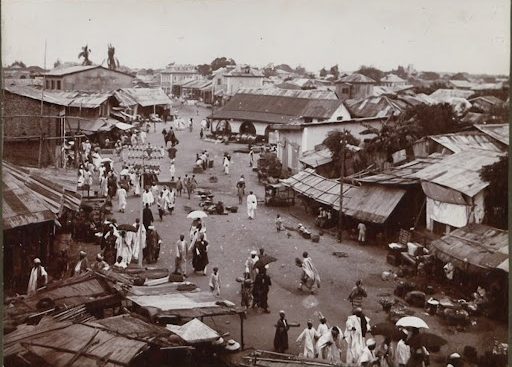
Lagos, also called Eko by locals, is more than just Nigeria’s bustling commercial hub, it is a city with centuries of history and transformation. From its origins as a small Awori fishing settlement, Lagos has passed through the hands of the Benin Empire, Portuguese traders, British colonizers, and Nigerians themselves. Here is the complete timeline of Lagos history.
Pre-Colonial Lagos
- Before 1400s – Lagos was home to the Awori people, a subgroup of the Yoruba, who settled on the islands and along the lagoon.
- 1472 – Portuguese explorers arrived and named the area “Lagos” (meaning “lakes”), while the indigenous name Eko — meaning camp — remained popular.
- 1600s – Lagos came under the influence of the Benin Empire, with the Oba of Benin appointing leaders to rule.
- 17th–18th Century – Lagos became a major hub for the Atlantic slave trade, working with Portuguese and Brazilian traders.
British Contact and Colonization
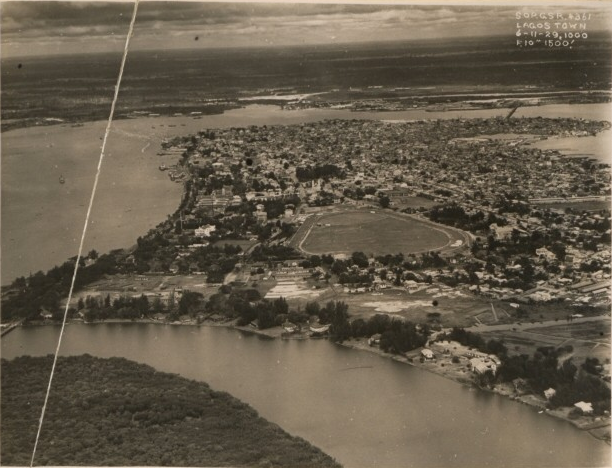
- 1807 – Britain abolished the transatlantic slave trade, but Lagos remained active in it.
- 1851 – The Bombardment of Lagos: British forces attacked Oba Kosoko for supporting the slave trade and installed the pro-British Oba Akitoye.
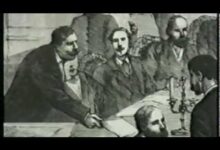
- 1861 – Lagos was formally annexed by Britain through the Treaty of Cession signed by Oba Dosunmu, becoming a British Crown Colony.
- 1886 – Lagos was separated from the Gold Coast Colony and placed under direct British control.
- 1906 – Lagos was merged with the Protectorate of Southern Nigeria.
- 1914 – The Amalgamation of Nigeria brought Lagos into the new Colony and Protectorate of Nigeria, with Lagos as its capital.
Capital City of Nigeria
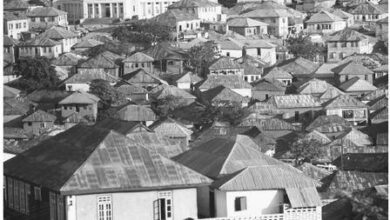
- 1914–1960 – Lagos remained the colonial capital of Nigeria, growing rapidly as a political and commercial hub.
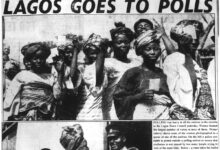
- 1940s–1950s – Lagos became the heart of Nigeria’s nationalist struggles, with leaders like Herbert Macaulay, Nnamdi Azikiwe, and Obafemi Awolowo leading movements here.
Lagos After Independence
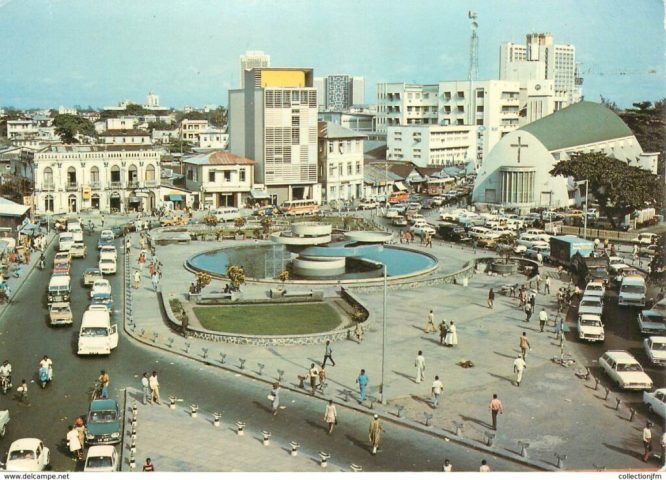
- 1960 – Nigeria gained independence, with Lagos as the capital city.
- 1967 – Lagos State was created. Ikeja became the state capital, while Lagos Island remained the federal capital.
- 1976 – The federal government announced that the capital would be moved to Abuja due to congestion and overpopulation in Lagos.
- 1991 – Abuja officially became Nigeria’s capital, but Lagos remained the nation’s economic powerhouse.
Modern Lagos
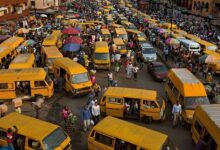
- 2000s – Lagos transformed into a megacity, with projects such as the Bus Rapid Transit (BRT) system and urban renewal programs.
- 2010s – Development of Eko Atlantic City and the Lekki Free Trade Zone boosted Lagos’s global reputation.
- 2020 – Lagos was the center of the #EndSARS protests, especially at the Lekki Toll Gate.
- Today – With a population of over 20 million, Lagos is Africa’s largest city, Nigeria’s commercial capital, and one of the world’s fastest-growing urban centers.
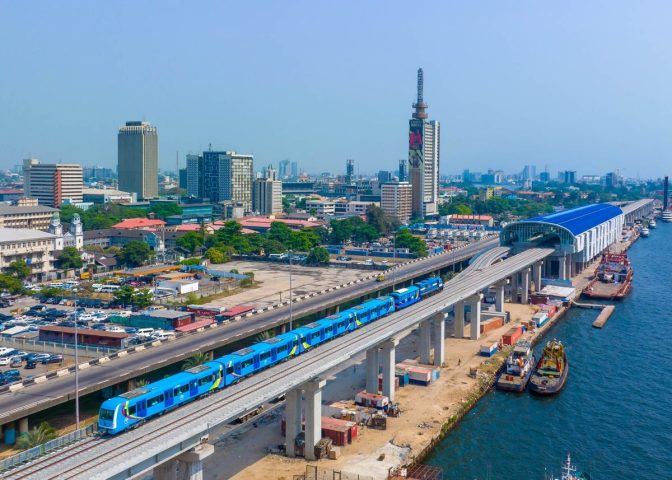
The timeline of Lagos history shows centuries of change, from its beginnings as an Awori (a Yoruba sub-group) settlement and its growth under the Benin Empire, to becoming a Portuguese-named slave port, a British colony, and later the capital of Nigeria.
Thanks for reading the complete timeline of Lagos history, OldNaija.com
References:
- Omipidan, Teslim. (2021, March 11). The treaty between Britain and Lagos on January 1, 1852. OldNaija. https://oldnaija.com/2015/10/12/the-treaty-between-britain-and-lagos-on-january-1-1852/
- Lagos State Records & Archives Bureau. (n.d.). https://lagosstatearchives.ng/policy/view/history
- Falola, T., & Heaton, M. M. (2008). A History of Nigeria. Cambridge: Cambridge University Press.
- Law, R. (1978). The Oyo Empire, c.1600–c.1836: A West African Imperialism in the Era of the Atlantic Slave Trade. Oxford: Clarendon Press.
- Omipidan Teslim. (2023, November 2). Speech by the Governor General of Nigeria, Sir Frederick Lugard on January 1, 1914 (Amalgamation Proclaimation of 1914). OldNaija. https://oldnaija.com/2014/11/12/speech-by-the-governor-general-of-nigeria-sir-frederick-lugard/
Cite this article as: Teslim Omipidan. (September 30, 2025). Complete Timeline of Lagos History: Pre-Colonial Times till Date. OldNaija. Retrieved from https://oldnaija.com/2025/09/30/complete-timeline-of-lagos-history-pre-colonial-times-till-date/
Questions? Advert? Click here to email us.


this is a good content https://hitmuzikbox.com.ng/
Amazing, keep it up. https://konnectvox.com.ng/