

The Rise and Fall of Lagos Town Council: All You Should Know
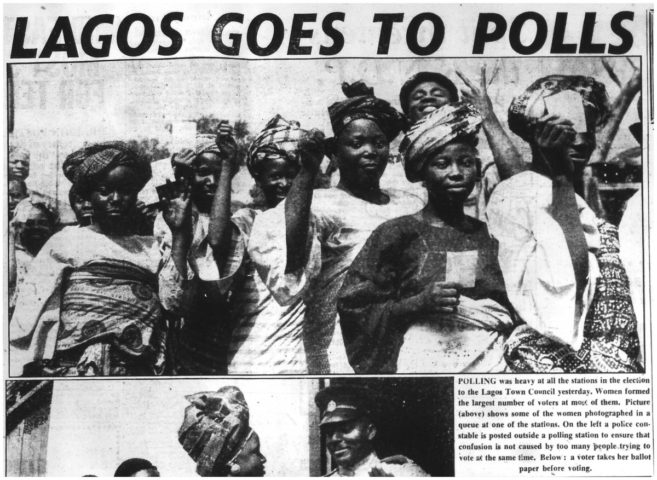
The Lagos Town Council was formally established in 1950 as part of a new local government system introduced in colonial Lagos.
It replaced an earlier council that had been created under the 1941 ordinance. At the time, Lagos was expanding rapidly, and there was growing pressure to create a council that could better manage its political, social, and administrative affairs.
From its inception, the Lagos Town Council became a space where traditional authority, emerging African elites, and colonial governance intersected, often uneasily. One of the earliest controversies involved the contest for leadership of the council.
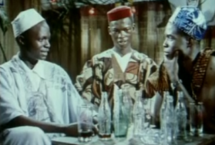
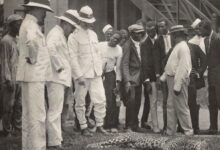
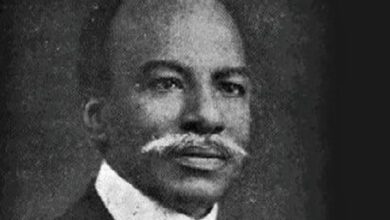
Oba Adele II of Lagos sought to lead the body, hoping to assert the traditional ruler’s influence within the modern local government framework. However, he lost the contest to Dr Abubakir Ibiyinka Olorunnimbe, a prominent Lagos politician and medical doctor, who emerged as Mayor of Lagos.
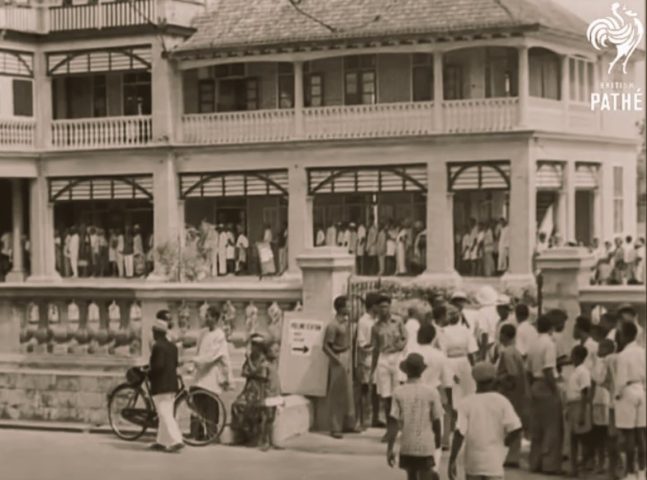
Dr Olorunnimbe’s tenure as mayor was short-lived and contentious. Although he represented the new educated elite gaining political prominence in Lagos, his leadership soon attracted criticism from within the council.
Several councillors accused him of corruption and administrative misconduct. These allegations eventually led to the dissolution of the council, bringing his time as mayor to an abrupt end.
Tensions within the Lagos Town Council were not limited to accusations of corruption. Oba Adeniji Adele, who was closely associated with the traditional institution in Lagos, resigned from the council during this period.
His resignation stemmed from what he viewed as a lack of respect for his royal status, particularly the mayor’s failure to acknowledge him appropriately during council meetings.
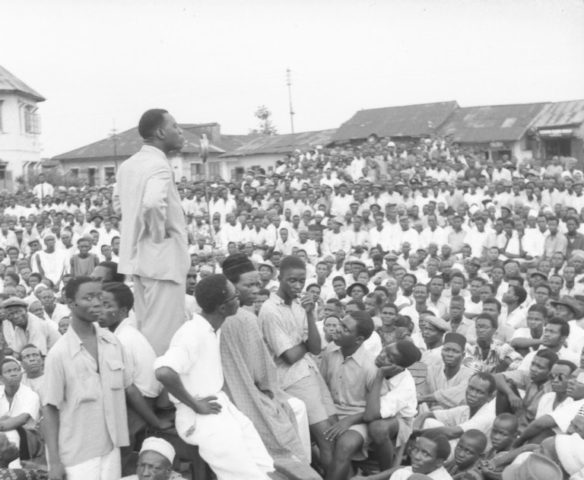
In 1953, the Lagos Town Council was reorganised under the premiership of Chief Obafemi Awolowo in the Western Region. The office of the mayor was abolished, and the Oba of Lagos was made life president of the council. This change was meant to restore balance, reduce political rivalry, and give traditional leadership a more formal role within local administration.
Despite these changes, the Lagos Town Council did not endure in its reorganised form. Political changes at the regional and national levels soon overtook it. When Lagos was removed from the Western Region and given a distinct political status, the council’s structure collapsed.
In 1959, it was re-designated as a local government, marking the end of the Lagos Town Council as it was originally conceived.
Thanks for reading, OldNaija.com
References:
- Tope_Litcaf. (2016a, January 30). Lagos Town Council. LitCaf Encyclopedia. https://encyclopedia.litcaf.com/government/government-government/lagos-town-council/
- Omipidan, T., & Omipidan, T. (2023c, November 2). Colonial Rule in Nigeria and Nigeria’s Struggle for Independence. OldNaija. https://oldnaija.com/2014/11/05/colonial-rule-in-nigeria-and-nigerias-struggle-for-independence/
Questions? Advert? Click here to email us.