

The Role of Traditional Music and Dance in Nigerian Society

Sound and Spectacle in Everyday Life
Traditional rhythm moves cash tills and culture in equal measure. Casinos, hotel lounges, and city venues book drum troupes because live percussion turns a room into an occasion; dancers translate beat into story, gesture into shorthand for belonging. Heritage performance no longer waits for festival season, city nights now treat drum language as a premium experience, not a museum piece. Tourism boards lean on these ensembles for welcome ceremonies, and diaspora events commission hybrid shows where folk cadence meets contemporary stagecraft. The result is a living circuit: rehearsals in community halls, showcases in galleries, and prime-time slots in entertainment districts that keep tradition visible and viable.
Betting Chatter and the Matchday Mix
Sports betting has become part of modern Nigerian matchday culture, often blending with the rhythms of drums and chants in the stands. Fans discuss odds, player props, and live prices during halftime, using short breaks to check updates without losing the festive atmosphere. Quick-play formats like Plinko game Zambia offer a casual diversion between matches, appealing to those who prefer low-stake, fast rounds while waiting for the second half. In this way, betting activity coexists with music, dance, and fan rituals, becoming one more layer of the matchday experience.
Drums as Social Memory
Across regions, instruments carry history and practical messaging. Yoruba talking drums (gangan) bend pitch to mirror speech tones, turning proverbs and praise into sound. Bata ensembles balance thunder and whisper, while Igbo wooden slit drums (ekwe) anchor communal alerts and ceremonial cues. In northern cities and emirate towns, festival bands shadow horse parades with layered cadence that signals hierarchy, welcome, and resolve. Coastal towns add bell patterns that function like punctuation, guiding dancers through narrative turns. Repertoire is a library: wedding entries, harvest calls, rites of passage each with a tempo map and a phrasebook custodians pass to apprentices measure by measure.

Dance Rituals and Communal Authority
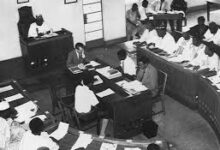
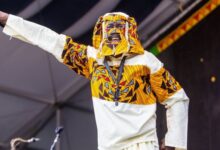
Choreography codifies values. Bata steps map dialogue between lineage and present moment; Atilogwu blends acrobatics with precision footwork; coastal masquerade circuits cast dancers as guardians of threshold spaces. Durbar processions link riders, drummers, and praise-singers in a protocol of respect. Movement is not ornament movement is governance in motion, teaching timing, deferring to elders, and honoring guests. School teams adapt these grammars for inter-house competitions, and community theatres stage abridged ritual pieces with prologues that explain context. Costume workshops meanwhile keep dye traditions and beadwork alive, proving that material craft is part of the choreography, not an afterthought, a point echoed in this BBC Travel feature on Nigeria’s overachieving culture of performance and craft.
Game Day Soundtrack: What Carries into Stadiums
- Drumlines as Call-and-Response: Supporter groups adapt call songs into short, looping patterns that cue chants, celebrate turnovers, and reset energy after mishaps.
- Halftime Rituals with Roots: Community troupes step into the bowl with compact routines drawn from festival repertoires, replacing filler audio with living tradition.
- Victory Laps with Meaning: Post-match dances convert result into memory, embedding the day in steps familiar from weddings and town squares.
Between those beats, MCs borrow phrases from praise-poetry to hype entrances, and young fans copy steps in concourses. Security teams increasingly plan flow so drum circles can form without blocking aisles, acknowledging that sound is part of safe crowd management when it channels attention and calms nerves.
Nigeria Sports Culture
Nigeria’s sports culture is a powerful mix of tradition, passion, and modern influence, shaping both community life and national identity. On matchdays, it is common to see entire neighborhoods energized with traditional music and dance, creating an atmosphere where sport becomes a shared celebration rather than just a competition. For fans, the Betika app has become a regular part of this experience, offering a simple and accessible way to place bets and follow results in real time. Betting is often discussed among friends before matches, adding another layer of excitement and anticipation to the day’s events. Football remains the dominant force, with local leagues drawing consistent crowds and club academies nurturing the next generation of players who often aspire to international stardom. At the same time, many supporters use betting as a way to stay connected to the game beyond the pitch, testing their knowledge and intuition while enjoying the social aspect of sharing predictions. Beyond football, Nigeria proudly sustains its cultural sporting heritage, especially through disciplines like kokawa (traditional wrestling) and dambe boxing. These practices are not only physical contests but also important social events, performed at festivals and community gatherings, reinforcing bonds of tradition and identity. Together, the blend of modern sports enthusiasm, betting culture, and time-honored athletic rituals makes Nigeria’s sporting life uniquely vibrant and deeply rooted in everyday experience.
Protocols of Respect and Inclusion
Cultural material deserves context. Event organizers increasingly consult community leaders about song choices, masquerade rules, and performance spacing. Payment terms and transport support show up front, not as afterthoughts. Gender-inclusive troupes find more stages as coaching networks grow, and hearing-safe zones near amplifiers protect younger fans while preserving presence. Photo and video guidelines help audiences celebrate performers without breaching sacred boundaries; attribution practices credit choreographers and drummers whose patterns anchor the night.
Skills That Keep the Beat Behind the Scenes
- Timekeeping and Breath Control: Lead drummers practice microrhythm discipline, using breath to hold tempo when crowd noise surges.
- Costume Literacy and Storyboarding: Dance captains align fabric, colors, and step sequences with the host region’s narrative, avoiding mash-ups that blur meaning.
- Acoustics and Tech: Sound engineers place mics to capture tone bends on talking drums without feedback, giving stadium PA systems clarity instead of mush.
Workshops layer business skills onto artistry contracting, stage plots, and safety riders so ensembles arrive tour-ready. Local builders experiment with sustainable woods and skin treatments that survive humidity without losing tone.
Why the Tradition Endures
Drums and dance solve multiple needs at once: communication, morale, identity, and commerce. A beat can welcome dignitaries, anchor a wedding, or reboot crowd belief after a conceded goal. A step can teach patience to a youth squad and gratitude to a champion. Modern Nigeria keeps pace with global sport and digital culture, yet the oldest tools still handle the toughest jobs gathering strangers into a chorus and turning noise into meaning. The continuity is practical as much as poetic: when rhythm organizes space, communities move together, and a stadium becomes a village with better lighting.
Questions? Advert? Click here to email us.