


Ibi Ugwu: The Tradition of Male Circumcision Among the Igbo People
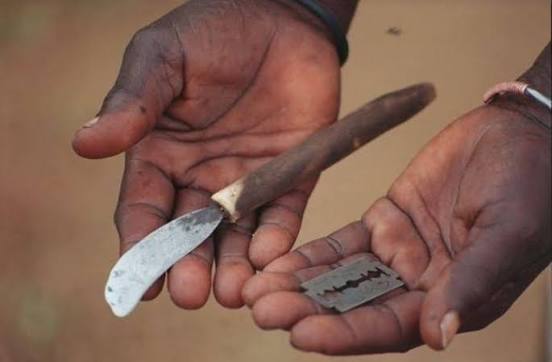
Ibi Ugwu, the traditional practice of male circumcision among the Igbo people of eastern Nigeria, has been part of the customs associated with childbirth and early childhood for generations.
The practice involves removing the foreskin, the fold of skin covering the head of the penis. Although it has cultural associations, male circumcision is also recognised as a medical procedure.
In traditional Igbo society, circumcision was practised on both male and female children. However, the two procedures are different and should not be confused.


Male circumcision involves removing the foreskin of the penis, while female genital mutilation (FGM) involves procedures that remove or injure parts of the external female genitalia for non-medical reasons.
The original account of this tradition describes a change in the practice over time. It states that while both male and female children were circumcised in ancient times, female circumcision gradually became less common as modernisation spread, whereas male circumcision continued.
However, this should not be taken to mean that female genital mutilation has completely disappeared among the Igbo, as research has documented its continued practice in some communities.
When Igbo Boys Undergo Circumcision
Traditionally, the circumcision of male babies, known as Ibi Ugwu, is performed on the eighth day after birth. This timing is associated with the custom described in the original account, although practices can differ among Igbo families and communities.
The procedure was traditionally carried out by people with experience in circumcision, including midwives and native doctors. Today, physicians also perform male circumcision in medical facilities.
During the operation, the foreskin covering the head of the penis is removed. The treated area is then cared for to encourage healing and prevent infection. According to the traditional account, recovery takes between five and seven days.
Not every Igbo family follows the eighth-day practice. Some families arrange for their male children to undergo circumcision three days after birth instead. These differences show that the timing isn’t necessarily the same across all Igbo communities.
There is also a variation among some Igbo people living outside the eastern region of Nigeria. Rather than circumcising boys during infancy, some families wait until the child reaches adulthood. However, the practice is expected to take place before marriage.
Why Is Ibi Ugwu Important Among the Igbo?
Beyond its cultural significance, Ibi Ugwu has traditionally been associated with beliefs about male health and cleanliness.
The original account explains that circumcision was believed to prevent or correct the inability to retract the foreskin. This condition is medically known as phimosis. It occurs when the foreskin cannot be pulled back from the head of the penis, and circumcision is one possible treatment in certain cases.
Medical research has also identified several potential health benefits associated with male circumcision. These include a reduced risk of certain sexually transmitted infections, a lower risk of urinary tract infections during infancy and a reduced risk of penile cancer later in life.
Circumcision can also prevent or address certain problems involving the foreskin. However, it isn’t a guarantee against sexually transmitted infections, and circumcised men still need to practise safe sex.
Like other surgical procedures, circumcision carries some risks. These may include bleeding, pain, infection, irritation, inflammation and injury to the surrounding tissue. The possibility of complications makes proper medical care and attention to hygiene important.
Female Circumcision and Changing Practices
The traditional account also describes female circumcision as part of earlier Igbo customs. It suggests that the practice became less common as modernisation changed attitudes towards traditional practices.
However, the history of female genital mutilation among the Igbo is more complicated than a simple transition from widespread practice to complete abandonment.
Research published in 2020 by Nkechi B Obijiofor and other researchers examined the prevalence, awareness and attitudes towards female genital mutilation among Igbo women of child-bearing age in Nigeria.
The study found that 49 out of 367 women interviewed had undergone FGM. It also found that many respondents were aware of the practice and its possible complications, while most wanted it discontinued.
This research shows that although attitudes have changed, female genital mutilation has not disappeared entirely. It also makes an important distinction between documenting a cultural practice and endorsing it.
The World Health Organization identifies female genital mutilation as a harmful practice with no health benefits. It can cause serious physical and psychological complications, both immediately and later in life.
Ibi Ugwu and Social Expectations
Another important part of the original account concerns the social expectations surrounding male circumcision. It describes being uncircumcised as a source of considerable shame for a man in traditional Igbo society.
This suggests that Ibi Ugwu was regarded as more than a medical procedure. It was also connected to expectations about growing up as a man and conforming to accepted customs within the community.
The account further explains that some families ensure their sons undergo circumcision before marriage, even when the procedure wasn’t performed during infancy.
Such expectations help explain why the practice continued across generations. For families that observed the custom, circumcision was something a male child was expected to undergo, whether during the first few days of life or later.
Thanks for reading, OldNaija.com
References:
- 1. Obijiofor, Nkechi B., Chinedum A. Enete, Chibueze E. Nnonyelu, Osita S. Umeononihu, Ekene A. Emeka, Chukwuemeka C. Okoro, Josephat C. Akabuike, Charlotte B. Oguejiofor, and George U. Eleje. “Female Genital Mutilation: Prevalence, Awareness and Attitude among Igbo Women of Child-Bearing Age in Nigeria.” Obstetrics and Gynecology Research, Vol. 3, No. 3, 2020, pp. 145–160. https://doi.org/10.26502/ogr038.
- Adinma, J. I., and A. O. Agbai. “Practice and perceptions of female genital mutilation among Nigerian Igbo women.” Journal of Obstetrics and Gynaecology, Vol. 19, No. 1, 1999, pp. 44–48. https://doi.org/10.1080/01443619965958.
- World Health Organization. “Female Genital Mutilation.” WHO Fact Sheet, 31 January 2025. https://www.who.int/en/news-room/fact-sheets/detail/female-genital-mutilation.
- U.S. National Library of Medicine. “Circumcision.” MedlinePlus. https://medlineplus.gov/circumcision.html
Questions? Advert? Click here to email us.


