

Chinua Achebe: The Nigerian Writer Who Changed How Africa Was Seen
Before Chinua Achebe came along, many books about Africa were written by outsiders who saw the continent as dark, primitive, and voiceless. Then a quiet young man from Eastern Nigeria picked up a pen and changed everything.
With one novel, Things Fall Apart, Achebe forced the world to see Africans as real people with history, dignity, culture, conflict, wisdom, and humanity. Suddenly, the African was no longer just a background character in European stories. He became the center of the story itself.
For many Nigerians, reading Achebe feels personal. His words sound familiar. His villages feel real. His characters remind you of people you know — the proud elder, the stubborn father, the gossiping neighbour, the ambitious young man trying to prove himself. That was Achebe’s magic.
Who Was Chinua Achebe?
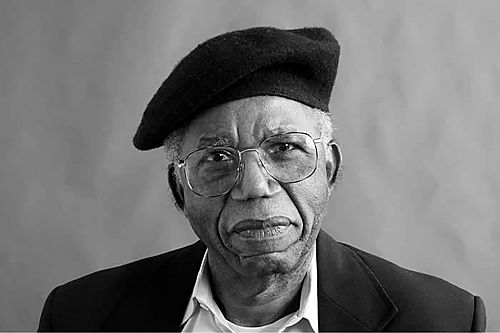
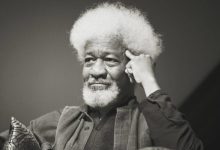
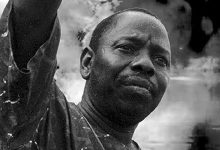
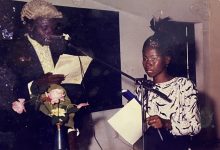
Chinua Achebe was a Nigerian novelist, poet, essayist, broadcaster, and literary giant born in 1930 in Ogidi, present-day Anambra State. His full name was Albert Chinụalụmọgụ Achebe, though the world simply came to know him as Chinua Achebe.
He is widely regarded as the father of modern African literature in English. His 1958 novel Things Fall Apart became one of the most influential books ever written by an African author. The novel has been translated into dozens of languages and remains required reading in schools and universities across the world.
Achebe’s work went beyond storytelling. He challenged colonial narratives about Africa and gave Africans the power to tell their own stories in their own voice. Through literature, he became one of Nigeria’s most respected cultural ambassadors during and after colonial rule.
His life also intersected with major moments in Nigerian history, including colonialism, independence, the Nigerian Civil War, and the difficult years that followed.
Early Life and Background
Chinua Achebe was born on November 16, 1930, in Ogidi, an Igbo town in southeastern Nigeria. He grew up during a fascinating and complicated period in Nigerian history. British colonial rule was firmly established, Christianity was spreading rapidly, and traditional African beliefs were being challenged in many communities.
Achebe’s parents were devoted Christians who worked closely with the Church Missionary Society. His father, Isaiah Achebe, was a catechist and teacher. This meant young Chinua grew up surrounded by Bible teachings, hymns, discipline, and missionary education.
But there was another side to his upbringing too.
Outside the church environment was the rich world of Igbo tradition — folktales by moonlight, proverbs, masquerades, ancestral customs, village meetings, and oral storytelling. Achebe absorbed both worlds carefully. Later, these contrasting influences became central to his writing.
Imagine being a young boy caught between two universes. One side telling you traditional culture was backward. The other side reminding you that your ancestors had wisdom long before Europeans arrived. Achebe spent much of his life trying to bridge those worlds.
He attended St. Philips Central School and later Government College, Umuahia, one of the most prestigious schools in colonial Nigeria. Government College produced several brilliant Nigerian intellectuals and writers. The school exposed Achebe to English literature, European classics, and rigorous academic training.
From there, he gained admission into University College, Ibadan — now the University of Ibadan. At first, he studied medicine. But it quickly became obvious that his heart belonged elsewhere. Literature was calling him.
So he switched courses and began studying English, history, and theology.
That decision changed African literature forever.
Chinua Achebe and the Rise of African Literature
The Birth of Things Fall Apart
By the 1950s, Achebe had become increasingly frustrated with how Africans were portrayed in Western books. Many colonial-era novels painted Africans as uncivilised caricatures who existed only to support European adventures.
Achebe believed Africa deserved better.
So he decided to write the kind of story he wished existed.
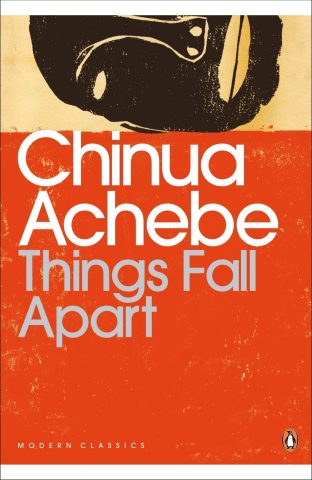
In 1958, Things Fall Apart was published.
The novel follows Okonkwo, a proud Igbo warrior struggling to survive the collapse of traditional society during the arrival of British colonialism and Christian missionaries. But the brilliance of the book was not just the plot. It was the humanity.
Achebe showed Igbo society in full detail — its strengths, flaws, beauty, violence, humour, religion, politics, and traditions. Africans were no longer faceless victims or background figures. They became fully human.
The novel exploded internationally.
Suddenly, universities in Europe, America, and Africa were teaching a Nigerian story set in an Igbo village. For many readers abroad, it was the first time they encountered Africa through an African voice rather than a colonial lens.
Even today, Things Fall Apart remains one of the most widely read African novels ever written.
Achebe’s Literary Career Expands
After the success of Things Fall Apart, Achebe continued writing powerful novels that examined African society during colonialism and independence.
Books like No Longer at Ease, Arrow of God, A Man of the People, and Anthills of the Savannah explored corruption, political instability, cultural conflict, and the challenges facing newly independent African nations.
One particularly eerie moment in Achebe’s career came with A Man of the People, published in 1966. The novel described political corruption and a military coup in a fictional African country.
Then, shortly after the book’s release, Nigeria experienced its first military coup in January 1966.
Many people were stunned by how closely fiction seemed to mirror reality.
The years that followed would become some of the darkest in Nigerian history.
Chinua Achebe and the Nigerian Civil War
When the Nigerian Civil War broke out in 1967, Achebe strongly supported Biafra, the secessionist state led by Chukwuemeka Odumegwu Ojukwu.
For Achebe, the conflict was deeply personal. Like many Igbo intellectuals of the time, he believed the Eastern Region faced persecution and insecurity after the killings and political crises of the mid-1960s.
During the war, Achebe travelled internationally on behalf of Biafra, speaking to foreign audiences and trying to gain support for the struggling republic.
The war devastated millions of lives.
Starvation spread across Biafra. Families were destroyed. Cities were bombed. The conflict left emotional scars that never fully healed.
Life After the War
After Biafra’s defeat in 1970, Achebe returned to academic and literary work. But the war changed him permanently.
His later writings became more reflective, political, and critical of Nigeria’s failures after independence. He openly condemned corruption, bad leadership, and ethnic politics.
Unlike some intellectuals who stayed silent to remain comfortable, Achebe spoke bluntly about Nigeria’s problems.
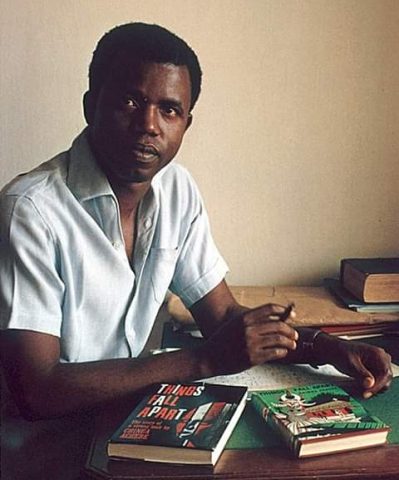
Not many people know this, but Achebe once rejected a major Nigerian national honour. In 2004, he turned down the Commander of the Federal Republic (CFR) award, citing insecurity and poor governance in Nigeria. Years later, he rejected another national honour again.
That decision shocked many Nigerians. But it also showed how strongly he held onto his principles.
Chinua Achebe’s Years Abroad and Academic Influence
Achebe eventually became a respected academic abroad, teaching at several universities in the United States.
In 1990, tragedy struck when he was involved in a terrible car accident in Nigeria that left him partially paralysed. The accident affected his mobility permanently, and he later moved to America for medical care and academic work.
Even from abroad, however, Achebe never stopped writing about Nigeria.
He remained deeply connected to the country emotionally and intellectually. His essays continued criticizing political corruption and social decay back home.
One of his most controversial works during this period was The Trouble with Nigeria, where he famously argued that Nigeria’s biggest problem was leadership.
That statement still sparks debate today.
Legacy and Impact of Chinua Achebe
It is difficult to measure Chinua Achebe’s impact fully because his influence stretches across literature, education, politics, and African identity itself.
Before Achebe, African stories were often filtered through colonial eyes. After Achebe, generations of African writers found confidence to tell their own stories boldly.
Writers like Chimamanda Ngozi Adichie, Ngũgĩ wa Thiong’o, Wole Soyinka, and many others benefited from the literary doors Achebe helped open.
His novels are studied in schools across Nigeria and around the world. Streets, lecture halls, libraries, and institutions have been named after him. In 2011, Brown University established the Achebe Center for African Writers and Artists in his honour.
Perhaps Achebe’s greatest achievement was restoring dignity to African storytelling.
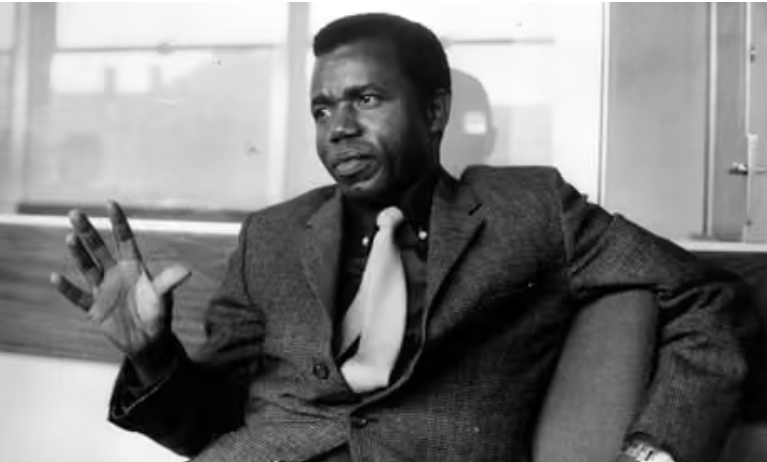
He reminded Africans that their languages, traditions, histories, and experiences mattered. That was revolutionary during the colonial era.
And honestly, many Nigerians still see traces of Achebe’s world around them today — village meetings filled with proverbs, family honour, generational clashes, political disappointment, stubborn pride, and the constant struggle between tradition and modern life.
Death of Chinua Achebe
Chinua Achebe died on March 21, 2013, in Boston, Massachusetts, United States, at the age of 82.
News of his death spread rapidly across Nigeria and the world. Tributes poured in from presidents, writers, scholars, students, and ordinary readers whose lives had been touched by his work.
For many Nigerians, it felt like losing a national elder.
But Achebe left behind something powerful — stories that continue to speak long after his passing. Every time a young African writer decides to tell their own story confidently, part of Achebe’s legacy lives on.
Thanks for reading, OldNaija.com
References:
- Achebe, C. (1958). Things fall apart. London: Heinemann.
- Achebe, C. (1964). Arrow of God. London: Heinemann.
- Omipidan, T., & Omipidan, T. (2023, November 2). The Nigerian Civil War: why and how it happened (1967-1970). OldNaija. https://oldnaija.com/2020/07/26/the-nigerian-civil-war/
- Chinua Achebe. (2021, January 19). Biography. https://www.biography.com/authors-writers/chinua-achebe
- Irele, A. (2001). The African imagination: Literature in Africa and the Black diaspora. Oxford: Oxford University Press.
- Lindfors, B. (1997). Conversations with Chinua Achebe. Jackson: University Press of Mississippi.
Questions? Advert? Click here to email us.