


Ways to Increase Stamina for Athletes
In the world of sports performance, improving stamina involves a wide range of elements, from intensive training schedules to mental toughness. Notably, the significance of diet and recuperation methods is critical in this context. This guide explores the various approaches that athletes can utilize to boost their endurance, emphasizing the importance of combining physical exercise, nutritional optimization, and cutting-edge recovery options to achieve substantial enhancements in maintaining both physical and mental exertion for longer durations.
Understanding Stamina
Stamina is what keeps you going, not just for a few minutes, but throughout your entire game, workout, or run.
Stamina is a mix of physical and mental endurance. Physically, it’s your body’s ability to keep moving without getting tired too fast. Mentally, it’s the focus and willpower to push through even when it gets tough.




There are two main types of stamina:
- Cardiovascular stamina is how well your heart and lungs meet the demand. If you’re gasping for air after a few sprints, this is the part to work on.
- Muscular stamina is how long your muscles can keep working without giving out. Think of how long you can hold a plank, or how many reps you can do before burning out.
Improving stamina takes time and consistency, but small changes can lead to big gains.
Aerobic Exercise and Strength Training
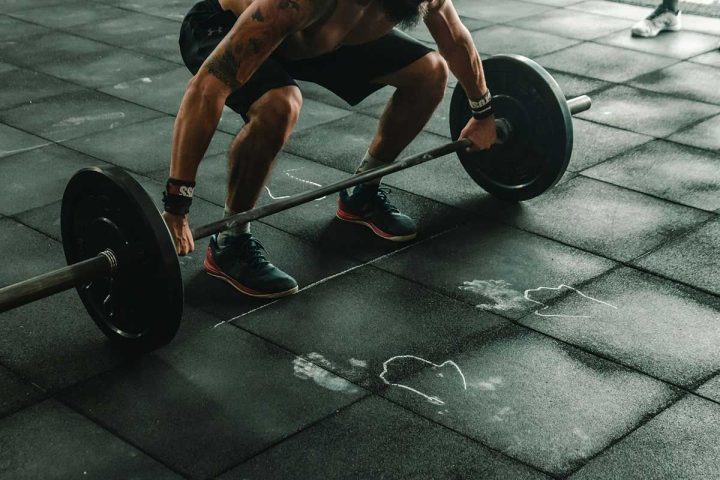
Increasing stamina for athletes involves a comprehensive approach, starting with aerobic exercise and strength training. Aerobic activities like running, swimming, and cycling improve cardiovascular health, which is crucial for endurance. Strength training, incorporating squats and deadlifts, builds muscle endurance, essential for prolonged physical activity.
Nutrition and Hydration
Their dietary habits significantly influence athletes’ performance. Maintaining a well-balanced diet, incorporating ample amounts of carbohydrates, proteins, and essential fats, is fundamental for supplying the energy required during prolonged physical activities. The use of products for pain, like capsules or gummies, may aid in reducing pain and inflammation, managing stress and anxiety, and improving sleep quality, all contributing to better recovery and increased stamina.
Equally important is staying adequately hydrated, as optimal hydration is a key factor in achieving top-level performance.
High-Intensity Interval Training (HIIT)
HIIT, a regimen of intense bursts of activity followed by rest, effectively boosts aerobic and anaerobic endurance. This training method rapidly enhances overall fitness, contributing significantly to increased stamina.
Consistent Training and Adequate Rest
A consistent training schedule is key to building stamina. Regular, progressively challenging workouts enhance endurance. However, this must be balanced with adequate rest, including sufficient sleep and rest days, to prevent overtraining and injury.
Mental Training and Breathing Techniques
Mental toughness, developed through visualization and goal-setting, is critical for endurance. Breathing techniques also enhance stamina by enhancing respiratory efficiency, ensuring sufficient oxygen supply to the muscles.
Cross-Training and Pacing
Engaging in various sports and exercises improves overall fitness and reduces the risk of injury. Pacing strategy, understanding how to distribute energy throughout a performance, is vital for maximizing stamina.
Supplements and Altitude Training
Endurance supplements such as beta-alanine and creatine, when taken under professional guidance, can boost stamina. Altitude training, in which lower oxygen levels force the body to adapt, is another method for improving endurance.
Flexibility, Mobility, and Workout Monitoring
Flexibility and mobility exercises prevent injuries and enhance performance. Monitoring and adjusting workouts based on progress ensures continual improvement in stamina.
Recovery Techniques and Mindful Eating
Incorporating recovery techniques such as massages and foam rolling aids in muscle recovery. Mindful eating, particularly around workouts, is essential for maintaining energy levels and promoting recovery.
Specialized Sports Nutrition
Specific nutritional strategies like carbohydrate loading, using energy gels and bars, maintaining electrolyte balance, and ensuring adequate protein intake are integral to sports nutrition, catering to the unique needs of athletes.
Conclusion
In summary, increasing stamina is a multifaceted endeavor that requires a balanced approach, including physical training, nutritional management, mental fortitude, and adequate recovery. Whether through aerobic exercise, strength training, specialized sports nutrition, or the use of supplements for recovery, each element plays a crucial role in building endurance. Athletes should remember that the key to effectively enhancing their stamina and overall athletic performance is consistency and keeping to the approach that suits their needs and goals.
Questions? Advert? Click here to email us.