


From Lagos to Nairobi: The 2026 Trading Surge Reshaping Africa
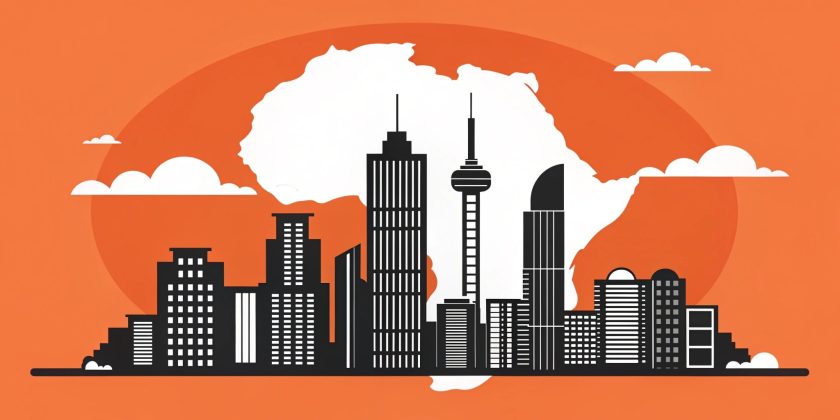
In 2026, Africa’s trading environment is evolving at a pace that feels both organic and unstoppable. What began as scattered growth across individual markets is now forming a connected financial corridor stretching from West Africa to East Africa. Forex desks, equity exchanges, and crypto platforms are experiencing synchronized expansion rather than isolated spikes.
Digital participation is driving much of this acceleration. New investors are not only opening brokerage accounts but also experimenting with blockchain incentives, educational platforms, and decentralized ecosystems where they can get free rewards through structured engagement models. This blend of experimentation and structured exposure reflects a generation that views financial markets as accessible rather than intimidating.
Urban Hubs Become Financial Catalysts
Cities like Lagos and Nairobi are emerging as anchors of regional trading activity. Technology startups, fintech accelerators, and cross-border payment providers are creating ecosystems that support rapid capital movement.




The impact of urban concentration is visible in platform adoption rates. Financial apps are downloaded at scale. Brokerage advertisements are increasingly visible across digital channels. Trading is no longer confined to specialized communities; it is becoming mainstream conversation.
Connectivity plays a central role. High-speed internet and affordable smartphones have compressed time and space, allowing traders to react instantly to global economic developments.
Forex Momentum Extends Beyond Currency Volatility
Foreign exchange activity has traditionally thrived on fluctuating local currencies. In 2026, however, the appeal of forex is evolving. Participants are analyzing macroeconomic releases, commodity pricing cycles, and central bank positioning before entering trades.
This change marks a shift from reaction to preparation. Traders are allocating capital with more discipline. Risk controls are gaining attention. Educational content is influencing behavior more than rumor-driven narratives.
As liquidity improves, international brokers are expanding their African footprint. That expansion further deepens market participation.
Equity Markets Attract A Broader Investor Base
Stock exchanges across the continent are modernizing processes that once slowed participation. Digital onboarding, simplified verification systems, and mobile trading dashboards are reducing friction.
Public companies in technology, infrastructure, and renewable energy sectors are drawing interest from domestic investors who previously avoided equities. Confidence grows when transparency improves.
In 2026, equities are no longer perceived as distant or elite instruments. They are increasingly seen as structured opportunities for wealth preservation and long-term growth.
Cryptocurrency Integrates With Traditional Assets
Crypto adoption in Africa has matured significantly. Early use cases focused on remittances and hedging inflation. Now digital assets are part of diversified portfolios that include forex and stocks.
Stablecoins facilitate smoother transactions across borders. Major tokens attract swing traders. Blockchain startups are securing funding from regional investors who recognize long-term potential.
Regulatory conversations are becoming more constructive. Policymakers are exploring frameworks that balance oversight with innovation, which contributes to increased confidence among participants.
Infrastructure Quietly Reinforces Expansion
Behind the visible growth lies steady infrastructure improvement. Payment processors are optimizing settlement times. Financial education initiatives are expanding in urban and semi-urban areas. Broker compliance standards are gradually tightening.
These adjustments might not dominate headlines, yet they enhance stability. A reliable foundation supports sustained expansion rather than speculative bursts.
Confidence in systems encourages broader participation. When trust increases, capital flows more freely.
A Continental Shift In Financial Identity
The surge stretching from Lagos to Nairobi is not defined by hype alone, according to the WestAfricaTrade’s editorial team. It represents a deeper recalibration of how African markets position themselves globally. Traders see themselves as part of international capital flows, not isolated observers.
Forex, equities, and cryptocurrency are increasingly interconnected. Technology binds them together. Demographics amplify engagement. Infrastructure strengthens resilience.
The 2026 trading surge is reshaping Africa’s financial narrative. It is steady rather than chaotic. Strategic rather than impulsive. And while the transformation may appear gradual, its long-term consequences are likely to redefine the continent’s economic trajectory for years to come.
Questions? Advert? Click here to email us.