


From Grassroots to Goal. How to Join a Football Academy in Nigeria

In every Nigerian neighbourhood, football is more than a game—it’s an escape, a teacher, and a dream. You’ll find boys kicking plastic bottles on dusty streets, arguing about who plays like Osimhen or who has Kanu’s touch. But at some point, that dream needs direction. That’s where a football academy comes in.
Understanding how to join a football academy in Nigeria isn’t only about filling a form; it’s about knowing how the system works, where to go, and what it really takes to stand out. This story breaks it down—what academies look for, how much they cost, and how some offer chances to join football academy for free, both in Nigeria and abroad.
And if you like staying close to local football conversations, analysis, and betting updates, you can always check BetFM.com login — a space where football talk never really ends.




What Is a Football Academy and Why Nigeria?
A football academy is a place where raw skill becomes structured ambition. It’s where coaches teach the small things that separate talent from professionalism—positioning, timing, focus, and how to keep your cool when scouts are watching.

In Nigeria, academies are not just training centers. For many families, they are the bridge between street football and stability. Some of today’s biggest stars started exactly this way. The Pepsi Football Academy, founded in 1992, discovered players like Mikel Obi and Joseph Akpala. Kwara Football Academy, created by the state government, blends education and football so that even if your dream shifts, your future doesn’t collapse with it.
There are now hundreds of academies across Nigeria—from Lagos to Kano, Benin to Jos—some professional, others community-driven. What makes Nigeria stand out is the depth of its passion. The country produces more talented young players than any local league can absorb, which is why scouts from Europe and Asia often visit local tournaments to spot future professionals.
Football academies give this raw energy a structure—a place to learn, fail, and rise again with guidance.

Who Can Join, and What You’ll Need
Most academies open their doors to players between the ages of 10 and 18. A few start even earlier, taking in kids as young as five. For those who come late to the game, there’s hope too. You’ll often hear the question: can I join football academy at 25?
The truth is, yes—but only if you understand what you’re up against. At that age, you’re competing with players who’ve trained for years. Still, there are private and semi-professional academies that accept older players who show strength, discipline, and exceptional drive.
What You’ll Need to Enroll
- Proof of age (birth certificate or national ID)
- Two passport photographs
- A medical report confirming fitness
- Parent or guardian consent (for minors)
- Trial or application form (usually from the academy’s website or office)
- Training boots and kits
Many academies look at more than skill—they check your attitude. Coaches talk often about punctuality, humility, and teamwork. Some schools also monitor academic progress, believing that a sharper mind makes a smarter player.
If you’re still in school, try to balance both worlds. A growing number of Nigerian academies—like Kwara FA or Abuja Football College—let players combine regular studies with football training.

How to Join a Football Academy in Nigeria
Getting in is a process, not an event. You don’t simply show up with boots and a dream—you plan, prepare, and present yourself as someone serious. Below is how most successful players begin.
| Step | Action | Details That Matter |
| 1 | Research genuine academies | Start with those listed under the Nigeria Football Federation. Avoid flashy promises online. |
| 2 | Reach out | Call, email, or visit. Ask about upcoming trials and registration periods. |
| 3 | Attend an open trial | Expect physical tests, small matches, and basic drills. Give your best, stay humble. |
| 4 | Submit documents | Birth certificate, photos, and health clearance. |
| 5 | Pay registration fee (if required) | Typically ₦10,000–₦50,000. Some offer scholarships or waive fees. |
| 6 | Begin training | Full-time or weekend sessions, depending on the academy’s schedule. |
Several academies offer free or partially funded spots. The Hoffnung International Football Academy (HIFA) in Lagos, for example, provides free registration for players who meet its standards. That’s one real opportunity to join football academy for free without connections or big money.
Others, like Midas Football Academy and Abuja Football College, maintain links with clubs in Portugal, Spain, and France. Exceptional players from these programs sometimes earn invitations to join football academy for free in Europe, where clubs cover training and accommodation for trial periods.
Patience is key—nothing happens overnight. But once you’re inside, the work begins.
What Life Inside an Academy Really Feels Like
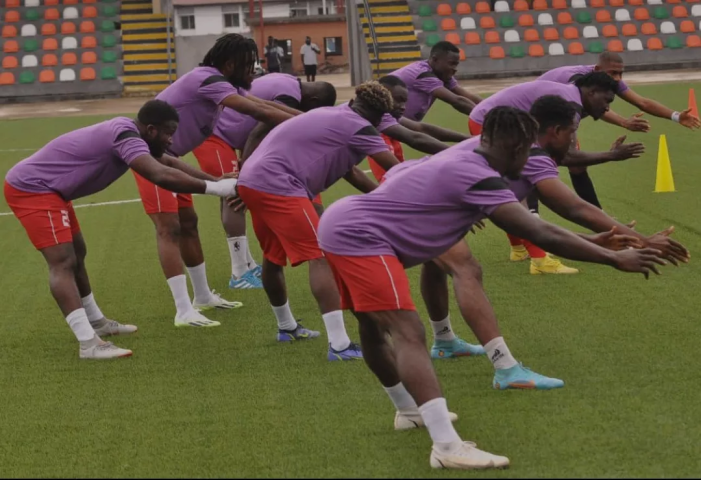
Life in a football academy is strict and structured. Training starts early, often before sunrise. Players go through warm-ups, running drills, and ball control sessions before breakfast. Later in the day come tactical lessons, video analysis, and, for younger trainees, regular school classes.
Coaches set clear expectations. They focus on discipline, not flash. The goal is consistency — the ability to train hard every day, regardless of mood or weather. One coach in Lagos summed it up simply: “Talent is common. Discipline isn’t.”
What Coaches Actually Look For
- Steady concentration and focus
- Readiness to learn and adjust
- Understanding of teamwork
- Physical strength and stamina
- Composure under pressure
- Respect for coaches and teammates
For players around 13, this stage is decisive. Habits formed here — from how you pass to how you handle defeat — shape your future in football. Older players may face a steeper path, but structured academies and short-term development programmes still offer opportunities. The difference lies in effort: the players who improve fastest are those who turn up, listen, and put in the work every single session.
Costs, Scholarships, and Real Free Opportunities
Money plays a role, yes—but it doesn’t have to block your path. The price of joining an academy varies depending on size and quality. Some small community academies train players for less than ₦10,000 a year, while others with foreign coaches or boarding facilities charge up to ₦2.5 million.
But several academies offer free trials or full scholarships. The Pepsi Football Academy occasionally grants scholarships to top performers. HIFA offers free registration to encourage equal opportunity. Government-backed programs, such as youth football initiatives in Lagos and Kwara, sometimes sponsor players for state competitions.
If you’re serious but broke, there are still ways forward:
- Attend local scouting tournaments—many are free.
- Keep your fitness sharp; scouts notice prepared players.
- Ask about community football projects or youth grants.
- Share highlight clips with coaches through verified academy contacts.
- Stay active on social media but avoid agents who ask for “processing fees.”
The key is persistence. Plenty of professionals today started in neighbourhood programs before earning scholarships.

Beyond Nigeria: Taking the Leap to Europe
Most young players dream of one thing—crossing over to Europe. The path isn’t simple, but it exists. Many Nigerian academies now have agreements with European clubs for talent exchange and scouting visits.
For example, Abuja Football College has sent players to Portugal for development programs. Midas Football Academy has hosted trials with French and Spanish clubs. Scouts visit major youth tournaments in Lagos and Abuja every year, and the best players often receive fully funded invitations abroad.
Of course, it’s not a guarantee. Even after you join football academy for free in Europe, success depends on your mentality. European football is fast, technical, and ruthlessly competitive.
Conclusion
Joining a football academy in Nigeria isn’t magic—it’s a journey of sweat, patience, and faith. You’ll face long mornings, tough coaches, and moments of doubt. But if you stay consistent, every small victory counts.
Football rewards resilience. Some players shine early; others bloom late. Whether you’re 13 and learning the basics or 25 still chasing a dream, the same rule applies: never stop showing up.
Practical Tips Before You Start:
- Research and choose a verified academy.
- Focus on discipline as much as talent.
- Keep studying—education builds smarter players.
- Use every trial as an audition.
- Stay fit, stay hungry, stay humble.
Your story doesn’t have to begin in a stadium. It can start on the same dusty field where you first kicked a ball. What matters is that you keep moving forward.
FAQ
1. Can I join a football academy in Nigeria for free?
Yes, it’s possible. A few academies, including HIFA in Lagos and certain Pepsi Academy centers, run free or scholarship-based programmes. Before applying, verify that the academy is officially registered to avoid fraud or informal agents.
2. What age is most suitable to start?
The prime development window is between 10 and 16 years old. At that stage, players learn faster, build stamina, and adjust to structured training more effectively than at a later age.
3. Is it realistic to join a football academy at 25?
Uncommon, but not excluded. Some private academies and local clubs train adults who want to develop fitness and match discipline. Progress depends on physical condition and consistency rather than age alone.
4. How can a Nigerian player join a football academy in Europe without paying?
Strong performances at local or national trials are essential. Recognised academies such as Midas or Abuja Football College maintain partnerships with European teams that occasionally fund short-term camps for outstanding players.5. What should a 13-year-old focus on to become a footballer?
Train regularly under guidance, work on ball control, and learn positioning. At this age, proper coaching and steady practice matter more than winning youth tournaments.
Questions? Advert? Click here to email us.