


Traditional Nigerian Cuisine: Dishes That Shape Cultural Identity
Culinary Identity in Modern Life
Traditional Nigerian Cuisine functions as an archive and anthem. Markets hum with peppers and grains, Sunday pots anchor memory, and diaspora kitchens keep cadence across oceans.
Just as food unites people at ceremonies and gatherings, football matches in Nigeria and across Africa also bring families and friends together around a shared table. On such days, fans not only celebrate with jollof rice and suya but also follow live scores and betting lines to stay in the game spirit, many prefer to download melbet, the official site for sports betting, where they can quickly compare odds, choose bet types, and use cash-out features when needed. This way, every goal, penalty, or last-minute comeback becomes even more thrilling, blending the excitement of the match with the communal joy of food and culture…
Jollof Rice History, Technique, and Rivalries
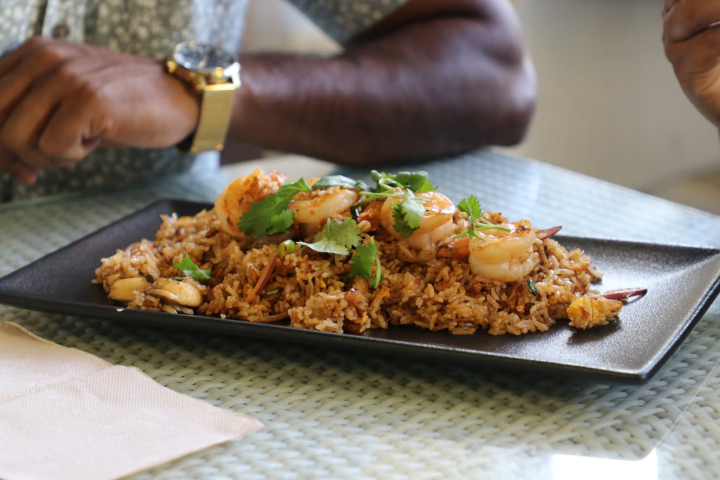
Jollof rice travels West Africa’s coast, but the Nigerian pot leans into a tomato-pepper base, long-grain parboiled rice, and a patient reduction that concentrates flavor. “Party jollof” earns its signature smoky edge from high-heat cooking sometimes over wood or well-seasoned pots and shows up at weddings, naming ceremonies, and election-night watch parties. Friendly rivalries with neighbors sharpen technique, yet the dish remains a unifier at home.




Suya Street-Fire Craft and Social Ritual
Suya frames northern flair: thin beef or ram strips skewered, anointed with yaji, and kissed by open flame. Hausa vendors shape the ritual by slicing across the grain, dusting spice in measured waves, and serving with sliced onions, tomatoes, and flatbread. The performance matters as much as the bite, turning sidewalks into classrooms for balance, heat, and timing.
Inside the Yaji Mix: Flavor Architecture
- Groundnut Backbone: Roasted peanut powder carries aroma and adheres spice to meat.
- Chili Heat: Dried peppers build warmth that lingers without muting beef.
- Ginger–Garlic Lift: Fresh zip against the fat of the cut.
- Clove and Friends: Subtle clove and grains of selim add depth and smoke.
- Salt and Stock Touch: Final calibration for clarity and savor.
Egusi Soup Seeds of Home and Ceremony
Egusi soup grinds oil-rich melon seeds into a plush base, dyed by palm oil and brightened by greens like ugu or bitterleaf. Proteins vary from beef, tripe, dried fish while texture ranges from fluffy “lumps” to smooth stew depending on technique. Served with pounded yam, eba, or fufu, the bowl reads like a family album, especially in Yoruba and Igbo celebrations where elders endorse the pot with stories.
Ingredients as Identity Staples, Spices, and Symbols
Staples sketch the nation’s map. Rice and cassava steady the southwest and southeast; millet and sorghum mark the north. Palm oil signals coastal forests; smoked fish carries delta air; ata rodo and shombo peppers write the punctuation. These materials do more than feed; they encode seasons, trade routes, and memory, keeping language even when words are scarce.

Bet Smarter on Match Days: Fast Markets, Alerts, and Controls
On big match days, talk stays on lineups, live odds, and stake limits. For fast access to pre-match prices and in-play markets, melbet kenya provides verified lines, cash-out tools, and clear settlement tracking. Users can compare markets by league and filter by bet type. Alerts notify when odds move beyond a set threshold.
Techniques and Tools From Firewood to Pressure Pots
Methods evolve while meaning holds. Open-fire simmering yields layered smoke; pressure pots deliver weekday speed without sacrificing depth; cast-iron and thick-bottomed aluminum protect the “bottom pot” that toasts rice into prized crunch. Blenders standardize pepper pastes, yet cooks still judge doneness by the sound of the hush of a pot settling, the quick sizzle that says oil is ready.
Regional Plates North, West, East, and Delta Snapshots
Landscape sets the menu; each region leaves a clear accent while still speaking one culinary language. In the northern savanna, millet and sorghum meet open-fire grilling; drying and smoking preserve brightness between harvests, and herding routes favor skewers, flatbreads, and refreshing dairy drinks. The southwest’s humid forests lean into palm oil’s crimson depth and slow-cooked pepper bases; fermented locust beans (iru) and smoky ata din-din lay bass notes for stews ladled over pounded yam.
Across the southeast, yam, cocoyam, and leafy greens anchor soups that thicken and comfort; new-yam festivals knit field, hearth, and lineage. Riverine Delta communities draw from brackish waters and palm-nut extracts, producing broths that welcome crab, periwinkles, and shellfish alongside resilient starch. Migration into Lagos and Abuja braids these idioms on the same street, and in Lagos, upscale reinterpretations of traditional Nigerian dishes show how markets and fine dining now intersect without losing the core. Diaspora shops swap in local substitutes without losing the pot’s grammar: seeds toasted, heat managed, peppers sung. Trade routes and seasonality keep ideas moving: dried fish rides inland, tomatoes and peppers travel south, spice blends adapt to weather and wallet while recipes keep their names.
Plates by Region Quick Map
- North (Savanna Savory): Suya, kilishi (sun-dried spiced meat), tuwo shinkafa with miyan kuka or miyan taushe.
- Southwest (Yoruba Warmth): Jollof rice, efo riro, ayamase/ofada stew, asun for late-night spice.
- Southeast (Igbo Comfort): Egusi soup, oha, nsala (white soup), abacha for tang and texture.
- South–South / Niger Delta (River Rich): Banga (palm-nut) soup, seafood stews, starch as a resilient companion.
Why Traditional Nigerian Cuisine Endures
Dishes persist because they solve for meaning as well as hunger. Jollof rice organizes celebrations. See, the home-kitchen method in this jollof rice recipe suya rewards craft and gathering, and egusi soup offers continuity at the table where news, music, and prayer intersect. Techniques adapt, ingredients travel, and digital chatter grows louder, yet the grammar of the pot remains a living record that shapes identity with every plated memory.
Questions? Advert? Click here to email us.