


Wafcon: 3 signs that African women’s football is finally starting to thrive
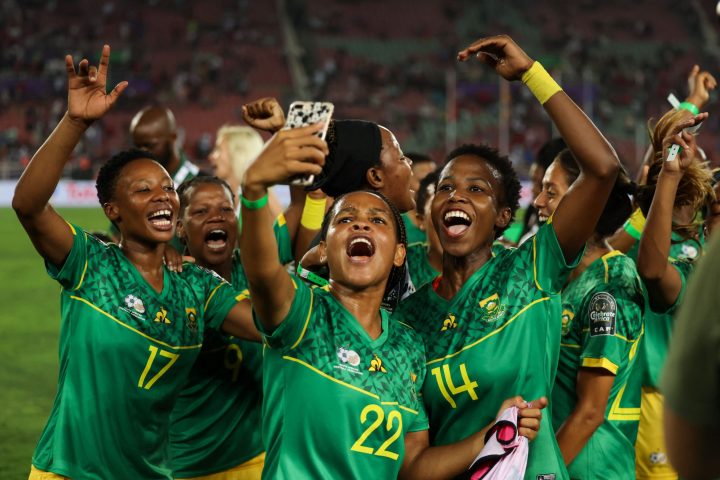
In a recent post on dbbet-ng.com, three clear indicators have surfaced at the 2024 Women’s Africa Cup of Nations (WAFCON) confirming that afcon women, african cup, and nigeria women’s national football team players are central to a notable progression in African women’s football. Improved competitive balance, record-level investment, and unprecedented visibility are shaping a new chapter for the sport.
Tightened competition and emerging parity
From the outset, match results in Morocco point to a narrowing performance gap across participants. For example, in Group A, Zambia stunned tournament hosts Morocco with an early goal by Barbra Banda within the first minute, matched only by a fast penalty equaliser by Ibtissam Jraïdi in the 12th minute. Senegal also delivered a dominant first-half display, scoring four times against DR Congo on matchday two.
Further evidence of competitive balance appears in knockout achievements. Algeria reached the knockout stage for the first time, while Mali and the Democratic Republic of Congo registered respectable performances despite losses.. These developments suggest afcon women teams are becoming more evenly matched.


Historic financial boosts and infrastructure expansion
The Confederation of African Football (CAF) significantly enhanced financial stakes for WAFCON. The 2024 edition in Morocco doubled the winner’s prize to US $1 million, up from US $500,000 in previous editions. The total prize pool increased by 45%, now totaling US $3.475 million, with runners-up awarded US $500,000 and third place US $350,000.
Morocco hosted across five cities—Rabat, Casablanca, Mohammedia, Oujda, and Berkane—utilising six venues including the 35,000-seat Honneur Stadium and Rabat’s Olympic Stadium (21,000 capacity), along with others such as Larbi Zaouli, Père Jégo, and El Bachir stadiums. These venue details underline improved infrastructure and logistical support.
Star performances and heightened player visibility
The nigeria women’s national football team players continued to shape headlines at WAFCON. Nigeria claimed their 10th WAFCON title, overcoming a 2–0 deficit to defeat Morocco 3–2 in the final—a comeback capped by a final goal just minutes before full time.
Forward Folashade Florence Ijamilusi scored Nigeria’s equaliser in that final and has since joined Chinese club Liaoning Baiye.
On the tournament’s scoring charts, Ghizlane Chebbak of Morocco emerged as the Golden Boot winner with five goals, including a hat-trick against DR Congo. Barbra Banda of Zambia also delivered a high-impact performance—scoring three goals, including one in the opening minute, as she returned to the tournament after missing previous editions due to an eligibility controversy.
Expanded Timeline of WAFCON Evolution
- 1991 – The African Women’s Championship begins, evolving into the present-day Women’s Africa Cup of Nations (WAFCON).
- 2022 – South Africa hosts and wins their first women’s continental title. Attendance breaks records, topping 45,562 spectators.
- 5–26 July 2025 – The 2024 WAFCON, delayed to mid-2025, takes place in Morocco, spanning five host cities and 26 matches..
- Prize money boost – Just before the tournament, CAF announces a 100% increase in the winner’s prize and a 45% increase in total payouts, raising visibility and stakes for women’s football.
- Tournament developments – Tight group-stage matches, standout individual performances (e.g., Chebbak, Banda), and infrastructure delivery underscore progress. Nigeria reasserts dominance with a dramatic comeback win.
Technical explanation of the three signs (factual, layout)
1. Competitive balance – Opening match day results like Zambia’s goal within the first minute against Morocco, and multi-goal performances by mid-tier teams, demonstrate closer margins between participants. Algeria’s first-ever knockout qualification also signals a shift in the competitive landscape.
2. Financial and infrastructural improvements – Doubling of top prize and increased payouts across placements align financial incentives with performance. Hosting across five Moroccan cities and multiple stadiums reflects infrastructural commitment to support growth and spectator engagement.
3. Talent elevation and visibility – Highlighted by Nigeria’s Super Falcons (the nigeria women’s national football team players) overcoming a two-goal deficit, Ijamilusi’s transfer, Chebbak’s Golden Boot, and Banda’s triumphant return. These narratives provide visibility pathways and inspire further investment in talent development.
Questions? Advert? Click here to email us.