


Origins of the WinWin Concept
The story of WinWin begins with the emergence of online entertainment platforms that sought to combine technology, accessibility, and competitive gaming into a single digital environment. Early developers behind the brand aimed to create a platform where players could engage with sports predictions, interactive casino experiences, and digital competitions through a modern interface. The concept centered on providing an environment where both the platform and the users could benefit from transparent rules and structured betting systems.
During its early phase, the project started as a small digital initiative driven by a group of technology specialists and gaming analysts who recognized the growing interest in online wagering. Internet access had expanded across many regions, and new payment technologies allowed users to deposit and withdraw funds electronically. This environment created ideal conditions for a new platform to emerge.
The founders emphasized reliability and usability from the beginning. Early prototypes focused on stability, secure account management, and fast event updates. These elements formed the base structure of the service that would later develop into a large entertainment ecosystem.




The brand identity also played an important role in the initial stage. The name WinWin symbolized a cooperative relationship between the platform and its users. Designers wanted a name that reflected positive outcomes and strategic thinking, encouraging participants to explore sports knowledge, probability assessment, and risk management within a digital environment built for long-term engagement.
Early Platform Development and Infrastructure
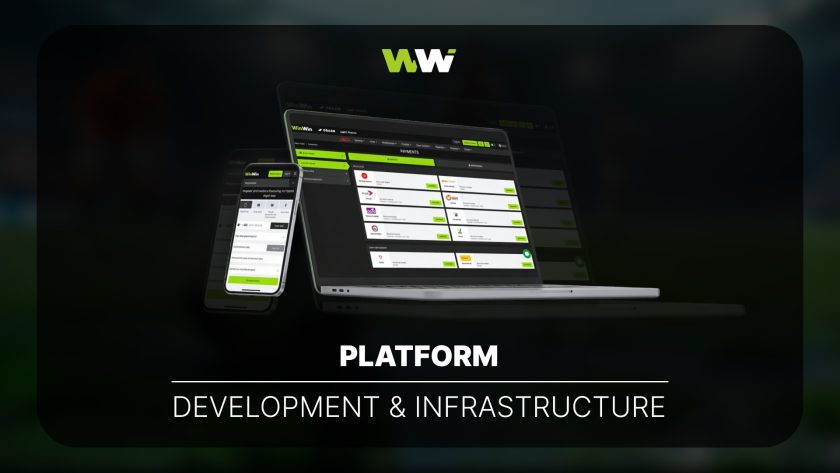
The technical structure of the platform evolved rapidly after its initial launch. Developers concentrated on building a reliable server architecture capable of handling multiple simultaneous users. Early versions of the site introduced structured sports categories, allowing players to navigate between football leagues, tennis tournaments, basketball competitions, and other global events.
The software team integrated dynamic odds calculation systems that could respond to changing match conditions and market demand. This technological capability became one of the key features that distinguished the platform from simpler betting services that relied on static event listings.
Security received strong attention during development. Encryption protocols protected personal data and financial transactions, while account verification procedures helped maintain platform integrity. These measures strengthened user trust and encouraged the gradual expansion of the community.
Another significant milestone involved the introduction of personalized user dashboards. Players gained access to their betting history, account balances, event tracking tools, and notifications about upcoming matches. The interface design reduced navigation complexity and allowed new users to explore the platform without confusion.
Marketing strategies also began during this stage. Online campaigns, affiliate partnerships, and promotional programs introduced the service to new audiences. As awareness grew, the platform attracted a diverse group of participants ranging from casual sports fans to experienced betting analysts.
Expansion of Games and Betting Opportunities
Once the platform achieved operational stability, developers expanded its content library and betting options. The goal involved transforming the service from a basic sportsbook into a comprehensive entertainment ecosystem. Sports categories increased significantly, including regional leagues and niche competitions that attracted specialized audiences.
Casino-style gaming also became part of the platform’s evolution. Digital card tables, roulette variations, and themed slot machines introduced a different form of engagement for users who preferred chance-based gameplay instead of sports prediction.
The addition of the WinWin game concept represented an important step in branding strategy. Developers introduced exclusive interactive experiences that combined elements of probability, reward mechanics, and entertainment design. These features created a unique identity for the platform and strengthened user loyalty.
Event presentation improved through enhanced graphics and real-time statistics. Match trackers displayed ball possession, shot counts, and other performance indicators, allowing players to analyze live events more effectively.
Payment systems expanded as well. Multiple currencies, electronic wallets, and regional payment providers enabled users from different parts of the world to join the platform without technical barriers.
Community interaction became another component of the evolving ecosystem. Chat features, tournament leaderboards, and promotional competitions fostered social engagement between participants. This sense of shared activity transformed the platform from a solitary betting interface into a digital entertainment community built around sports knowledge and strategic thinking.
International Growth and Market Presence

As the platform matured, expansion into international markets became a central objective. Online accessibility allowed the service to reach users across multiple regions without physical offices or retail betting locations. Marketing teams adapted promotional materials and language support to accommodate diverse audiences.
Localization strategies included translating the website interface into several languages and integrating regional sports competitions into the betting catalog. This approach helped the platform attract fans interested in domestic leagues as well as international tournaments.
Partnership agreements with marketing affiliates and digital publishers increased brand visibility. Advertising campaigns highlighted the platform’s technology, wide betting selection, and secure transaction systems.
Customer support services expanded during this phase. Dedicated teams responded to player inquiries through live chat, email communication, and help center documentation. Efficient assistance strengthened user satisfaction and contributed to positive platform reputation.
Data analytics also played a crucial role in international development. The company studied user behavior patterns, betting preferences, and regional sports interests. These insights helped refine promotional strategies and optimize platform performance.
Through strategic planning and consistent technological improvement, the platform secured a stable position within the global online entertainment industry. The brand gradually transformed from a startup project into a widely recognized digital service capable of serving thousands of players simultaneously across multiple continents.
Technological Innovation and Mobile Integration
Advancements in mobile technology reshaped the online betting industry, prompting the platform to redesign its architecture for smartphones and tablets. Developers created responsive layouts that adapted to smaller screens while preserving the full range of betting and gaming features available on desktop devices.
Mobile accessibility expanded the platform’s reach significantly. Users gained the ability to follow live events, place predictions, and manage their accounts from virtually any location with an internet connection. This convenience strengthened user engagement and increased daily activity on the platform.
Performance optimization became a priority. Engineers improved server response times and implemented lightweight interface elements that loaded quickly on different mobile networks. Push notification systems informed users about match start times, result updates, and promotional offers.
The company also invested in improved data visualization tools. Graphs, statistical comparisons, and event timelines provided deeper analytical insight for players evaluating potential outcomes.
Artificial intelligence technologies began assisting with odds adjustments and risk management. Algorithms processed massive datasets involving team performance, player statistics, and historical results. This analytical capability helped maintain accurate betting markets and balanced exposure.
Security improvements accompanied these innovations. Two-factor authentication, advanced encryption protocols, and fraud detection systems strengthened the safety of user accounts and financial transactions.
Key Milestones in the Platform’s Development
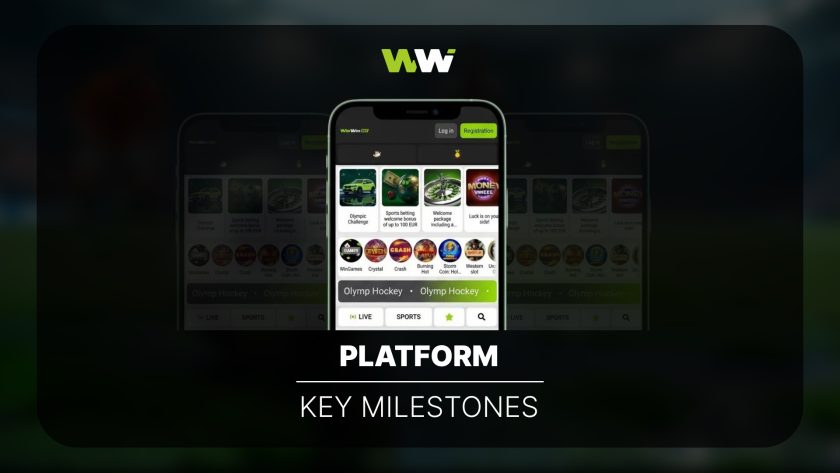
Several milestones marked the progression of the platform from a modest project into a recognized entertainment service. These achievements demonstrated the effectiveness of its development strategy and technological vision. Important stages in its growth include:
- Initial platform launch – introduction of core sportsbook functionality and user registration system.
- Integration of dynamic odds calculation – implementation of automated systems that adjust betting lines according to real-time market activity.
Expansion into casino gaming – addition of slot games, card tables, and interactive entertainment features. - Mobile compatibility upgrade – creation of responsive interfaces and mobile-friendly navigation.
- Global marketing campaigns – partnerships with digital media networks that increased international visibility.
- Advanced security implementation – deployment of encryption technologies and identity verification systems.
- Community engagement features – leaderboards, promotional tournaments, and interactive player activities.
Each milestone strengthened the structural foundation of the platform and contributed to long-term sustainability. Development teams approached each stage through research, testing, and iterative improvement, ensuring that new features integrated seamlessly into the existing system.
User Experience and Platform Community
User experience played a central role in the platform’s development strategy. Designers aimed to create an environment where navigation remained intuitive and visually organized. Clear menus, categorized sports events, and accessible betting slips allowed participants to move efficiently between different sections of the platform.
Account management tools gave users complete visibility over their activities. Transaction history, open predictions, and performance statistics appeared within personalized dashboards that simplified financial tracking.
Promotional campaigns contributed to community growth. Tournaments, leaderboard competitions, and reward programs encouraged active participation. These features transformed individual betting sessions into ongoing challenges where players could measure their strategies against others.
Customer support infrastructure expanded alongside the user base. Multilingual assistance teams provided guidance on registration procedures, payment systems, and technical troubleshooting. This communication channel reinforced confidence in the platform’s operational reliability.
Educational resources also appeared within the platform ecosystem. Articles explaining probability concepts, match analysis strategies, and risk management techniques helped new participants develop informed decision-making habits.
This commitment to user satisfaction fostered a loyal community that continued to engage with the platform across multiple sports seasons and gaming cycles. The platform evolved into more than a transactional betting site; it became a digital entertainment environment shaped by continuous interaction between developers and users.
Modern Position and Future Development Direction
The platform’s current stage reflects years of technical innovation, market adaptation, and community building. Continuous improvement remains a central principle guiding its development strategy. Engineers analyze system performance metrics and user feedback to refine the interface, expand gaming options, and optimize betting mechanics.
One of the platform’s most recognizable features is the structured approach to prediction-based entertainment, which encourages participants to analyze statistics and match conditions before placing a WinWin bet. This analytical style reinforces the brand’s emphasis on strategic thinking rather than purely chance-driven gameplay.
Future development initiatives include expanded live streaming integration, enhanced artificial intelligence analytics, and improved personalization algorithms. These technologies will allow players to receive event recommendations, statistical insights, and tailored promotions based on their preferences.
Cross-platform compatibility also remains a priority. Development teams continue refining mobile applications, browser interfaces, and cloud infrastructure to ensure smooth performance across devices.
The brand identity itself continues evolving. Marketing campaigns, sponsorship agreements, and digital partnerships strengthen recognition within the competitive online entertainment industry. The phrase Win Win continues to symbolize the cooperative philosophy behind the platform’s design — a relationship where players enjoy engaging experiences while the platform sustains a stable and transparent digital ecosystem.
Questions? Advert? Click here to email us.