


History of Betting in Africa

Betting in Africa did not begin with mobile phones or online platforms. It grew from structured systems introduced during the colonial period. These early forms relied on paper records, fixed schedules, and public trust.
Across the continent, football played a central role in shaping betting habits. Matches created regular cycles, while newspapers and radio spread results. In modern discussions of access, 1xbet login appears as part of the digital stage of a much longer story.
This article follows the historical path of betting in Africa, using Nigeria as a core example. The focus remains on documented developments, not assumptions. Each stage shows how structure, regulation, and participation evolved.



Colonial foundations and pools betting
The earliest organised sports betting format in Nigeria was pools betting. British colonial authorities introduced it in the 1920s. The system focused on predicting football results from selected fixtures.
At first, pools betting targeted British expatriates living in Nigeria. Participation required literacy, access to fixtures, and disposable income. Over time, Nigerians began to engage with the format. Football interest made the transition natural.
Pools betting relied on simple mechanics. Participants selected match outcomes and submitted entries before kick-off. Results were processed centrally. Winnings depended on shared pools rather than fixed odds.
Early pools betting shared common features across regions:
- Printed football fixtures
- Centralised result verification
- Cash-based participation
- Weekly betting cycles tied to football schedules
These features created routine. Betting became a social activity rather than a solitary one.
Post-independence state involvement
After independence in 1960, Nigeria restructured many economic sectors. Sports betting also entered this phase. In 1961, the federal government invested in a pools company known as Niger Pools.
The official goal involved national development and revenue generation. The ownership structure reflected mixed interests. The government held a majority stake, owning 51,000 of 100,000 shares. The remaining shares belonged to private investors, including a Swiss firm.
This move marked a shift. Betting moved from colonial administration into state-backed enterprise. Authorities viewed pools betting as a reliable revenue stream. The model aimed to centralise operations under one structure.
Niger Pools quickly generated income. In its first year, the federal government earned £17,374 from pools activity. Regional governments also benefited. The Western Region collected £50,250 through taxes and licence fees.
These figures showed clear fiscal potential. Betting had moved beyond recreation. It had become part of public finance planning.
Limits of monopoly control
Despite early success, the attempt to create a national monopoly failed. New states emerged, each with authority over local revenue.
Every new state sought control over betting operations within its borders. Licensing became fragmented. Jurisdiction disputes followed. As a result, Niger Pools never achieved full national dominance.
The decentralised political structure shaped the betting market. Instead of one operator, multiple systems emerged. State-level priorities influenced regulation. Local control mattered more than central coordination.
This period established an important pattern. Betting growth in Africa often followed political boundaries. Markets developed unevenly based on regional governance.
Rise of private operators
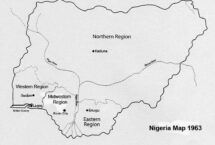
By the late 1960s, private entrepreneurs entered the betting space more actively. Independent pools betting operations appeared across Nigeria. Most activity concentrated in the Western Region.
Lagos became a central hub. The Western State and Midwestern State also hosted numerous operators. These businesses operated under local licences and rules. Competition increased.
Private operators adopted familiar pools formats. They relied on established habits and football interest. The difference lay in scale and organisation.
Private pools betting expanded because:
- Local licensing reduced entry barriers
- Football popularity remained strong
- State governments sought independent revenue
This expansion reflected broader African trends. Betting adapted to local economic structures rather than uniform national models.
Cultural integration of betting
By this stage, betting had integrated into everyday routines. Pools slips circulated in markets and workplaces. Discussions about fixtures became common.
Football coverage reinforced this culture. Radio broadcasts and newspapers kept bettors informed. Results spread quickly through communities.
Betting no longer belonged to a narrow group. It had entered popular culture. This social embedding explains later acceptance of digital formats.
Transition towards modern betting systems
Although this article focuses on early history, later developments followed similar logic. When technology improved, betting systems adapted.
Digital platforms replaced paper slips. Mobile phones replaced kiosks. Yet the core behaviour remained unchanged. People still followed fixtures and compared outcomes.
In modern market analysis, https://1xbet.ng/en/line often appears as a reference point when discussing how digital interfaces reflect older pools logic. Navigation mirrors fixture lists rather than abstract products.
Similarly, 1xbet may appear in discussions about scale and platform reach. The reference reflects continuity, not disruption.
Corporate structures and long-term patterns
As betting markets matured, corporate structures became more complex. Companies studied user behaviour, payment flows, and engagement cycles.
In industry commentary, 1xbet company sometimes appears when analysts examine how large platforms align operations across regions. These discussions focus on structure and compliance rather than promotion.
The core lesson from history remains clear. Betting markets succeed when they fit local habits. Pools betting worked because it matched football culture and weekly routines.
Closing reflections on African betting history
The history of betting in Africa reflects adaptation rather than invention. Colonial pools introduced structure. Independence brought state involvement. Regional politics shaped competition.
Private enterprise filled gaps where monopolies failed. Over time, betting embedded itself into social life. Football remained the anchor.
Modern betting platforms sit on this foundation. Technology changed access, not intent. Understanding this history explains why betting remains resilient across African markets.
Questions? Advert? Click here to email us.